If you are trying to understand Schweitzer real estate, the first thing to know is this: Schweitzer is not one neat neighborhood with a simple map. It is a mountain community made up of village lodging, slopeside townhomes and condos, and quieter hillside pockets spread across a network of roads and ski-access routes. That can feel confusing at first, especially if you are buying from out of area, but it also means you have real options depending on how you want to use the property. In this guide, you will get a practical breakdown of how Schweitzer is laid out, what each area tends to offer, and what questions matter most before you buy. Let’s dive in.
How Schweitzer Is Organized
Schweitzer is best understood in three broad parts: the village core, the near-village ski-access areas, and the more private hillside enclaves farther out. Instead of one compact subdivision, the mountain includes a mix of lodges, condo buildings, townhomes, cabins, and private homes.
That layout matters because two properties that seem close on a map can live very differently day to day. One may let you walk to dining and skier services, while another may offer more privacy but require more driving, more snow planning, or a homeowner trail to reach the lifts.
Schweitzer also has community-level oversight through the Schweitzer Mountain Community Association, while Schweitzer Utility & Water Company handles water, sewer, and some road maintenance for mountain residents. For buyers, that means ownership comes with both lifestyle benefits and some mountain-specific logistics to understand.
Village Core Living
The village core is the most walkable part of Schweitzer. This area is anchored by Selkirk Lodge, White Pine Lodge, Humbird, Lakeview Lodge, and Lazier Center, with dining, shopping, guest services, the spa, and the Ski & Ride Center concentrated nearby.
If your goal is a car-light ownership experience, this is the clearest fit on the mountain. You are closest to the slope base services here, and the daily rhythm is built around being able to step out and access the essentials without much driving.
Selkirk Lodge is described as the center of village life and the closest lodge to the slopes. White Pine Lodge offers condo-style units with one-, two-, and three-bedroom layouts, along with full kitchens, gas fireplaces, underground parking, and outdoor hot tubs.
For many second-home buyers, the appeal of the village core is convenience. If you picture quick weekend trips, easier guest stays, and less dependence on winter driving once you arrive, this area usually belongs at the top of your list.
Slopeside Neighborhoods Near the Village
Just below or beside the village, you will find the strongest ski-access neighborhoods on Schweitzer. These are the pockets that most clearly deliver the classic ski property experience.
Official resort descriptions highlight The Glades, Wood Run, Pinnacle Ridge, Chapel Point, Crystal Run, and The Cabins as key ski-access communities. While each has its own layout and feel, they all sit in the conversation for buyers who care most about getting to the lifts and back with as little friction as possible.
The Glades and Wood Run
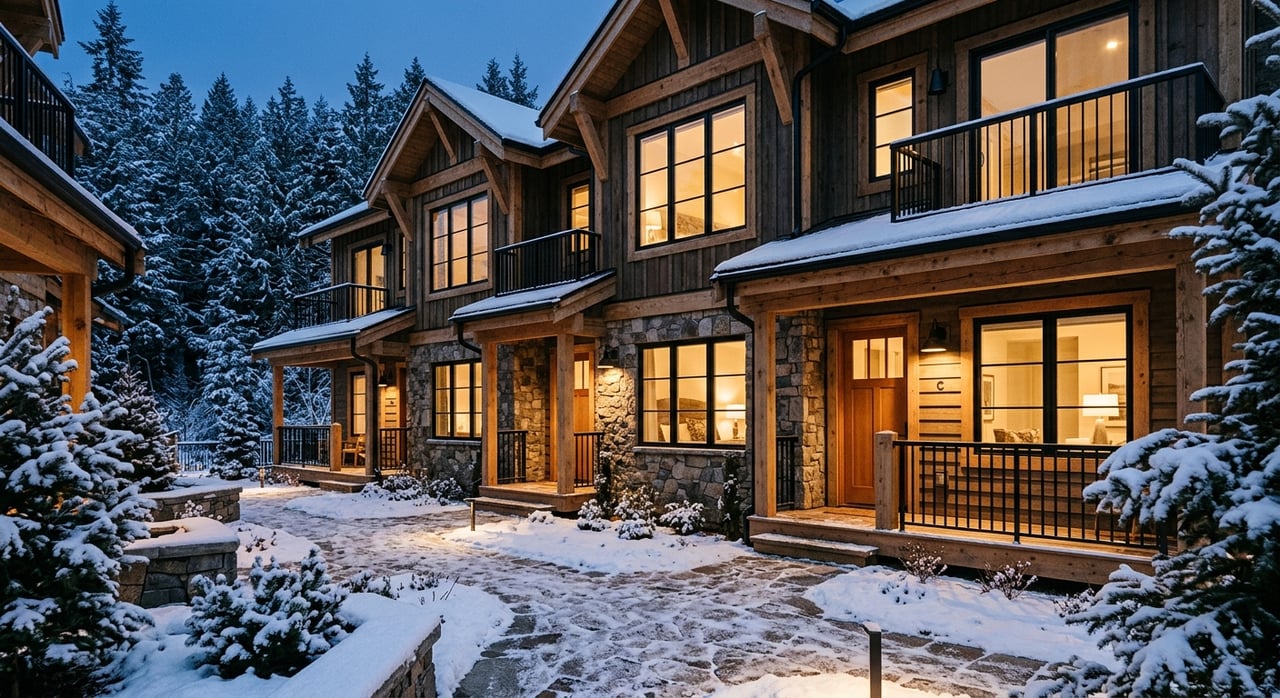
The Glades and Wood Run are multi-level townhome communities below the village. Both are tied to homeowner trails that lead to Creekside lift and place you near village amenities.
For buyers comparing ski access, this is an important detail. These are not simply homes near the resort. They are part of the slopeside pattern that gives owners a more direct connection to the mountain experience.
Pinnacle Ridge
Pinnacle Ridge is a ski-in/ski-out townhome community next to Schweitzer Village. Resort descriptions also note features such as private balconies, private hot tubs, and garages.
This pocket tends to appeal to buyers who want close village proximity without being in the middle of the lodge core itself. It can offer a blend of access, private space, and amenities that feels very different from a condo building.
Chapel Point and Crystal Run
Chapel Point and Crystal Run are condo-style communities with slope access tied to homeowner trails and resort-adjacent parking. They do not follow a conventional street-grid neighborhood pattern.
That makes them worth evaluating a little differently than a standard residential subdivision. Access, parking, and how you move between the property, the lifts, and the village all matter here.
The Cabins
The Cabins offer a more rustic product type with two- to four-bedroom cabin units on the slopeside side of Creekside lift. For some buyers, this is an attractive middle ground between a condo and a larger detached mountain home.
If your vision of Schweitzer includes more cabin character while still keeping ski access front and center, this is one of the clearer options on the mountain.
Private Hillside Areas
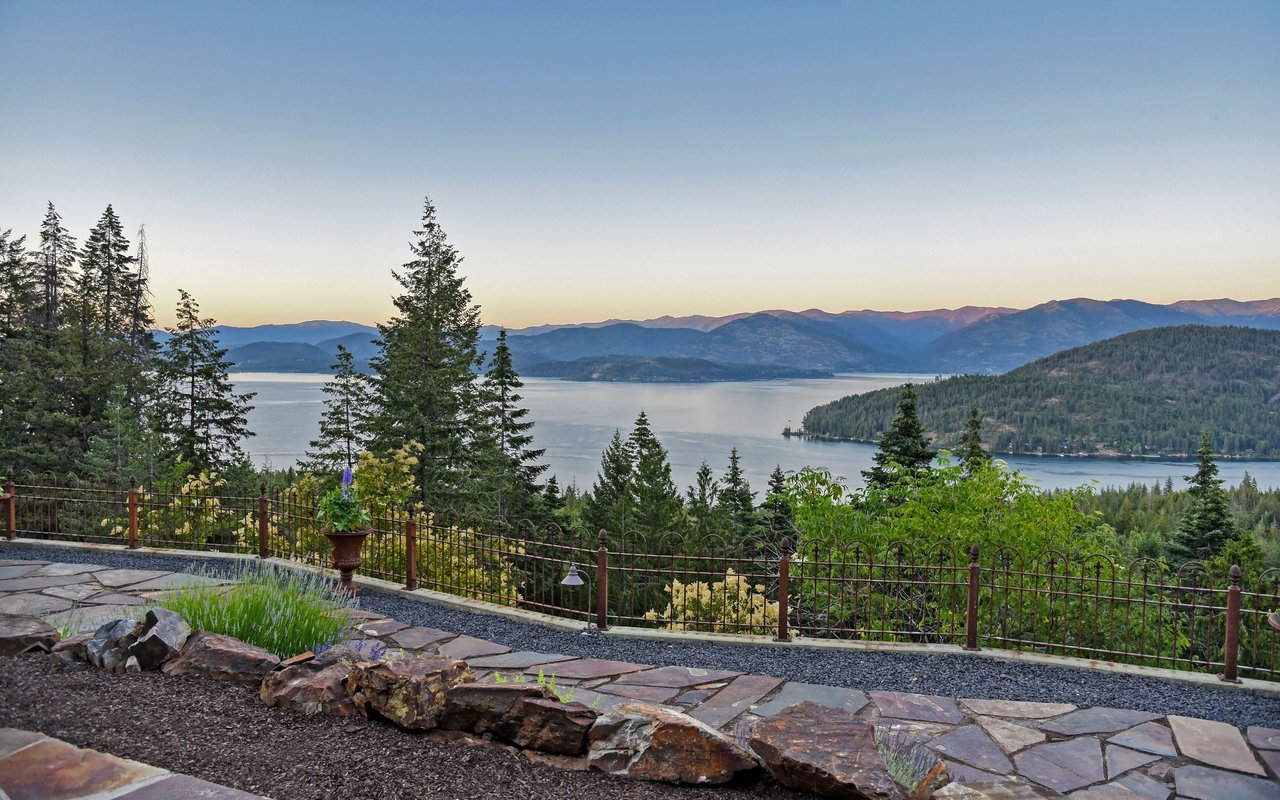
Beyond the village and immediate slopeside clusters, Schweitzer also includes more separated hillside pockets. The street map shows areas such as Crystal Springs, Copper Ridge, Highland Village, Mogul Hill, Telemark, Wildflower, and roads related to Wyvern.
Visually and practically, these areas sit farther from the village core. They tend to read as more wooded, more separated, and less walkable than the lodge and townhome groupings near the base.
That does not make them better or worse. It simply means they fit a different ownership style. If you value privacy, a quieter setting, or a detached-home feel, these areas may be more appealing than being in the center of village activity.
Scotchman View is a useful example of this category. It is described as a private home above Schweitzer Village with a short homeowner trail to the base area and about a five-minute walk to village amenities.
What “Walkable” Really Means at Schweitzer
One of the biggest mistakes buyers make is assuming all mountain properties function the same because they are on Schweitzer. In reality, “walkable,” “slopeside,” and “near the village” can mean very different things depending on the subarea.
In the village core, walkability is the strongest and most straightforward. Services are concentrated around the lodge cluster, and that supports a more convenient day-to-day experience.
In slopeside communities, your access may depend on a homeowner trail or proximity to Creekside lift rather than a simple sidewalk route to everything. In hillside enclaves, you may trade some walkability for privacy, views, or separation from the busier village setting.
This is where a valuation-first approach helps. Two properties can both be marketed as Schweitzer homes, but their utility, access pattern, and ownership experience may justify very different pricing and buyer demand.
Winter Access and Parking Matter
At Schweitzer, winter access is not a side issue. It is a core part of how the property works.
The resort states that the SPOT shuttle from the Red Barn to the Village runs in winter only, with some festival-weekend exceptions. During ski season, parking is directed to the Gateway Lot, Fall Line Lot, or the roundabout near the Schweitzer sign.
That matters if you are buying a property where guests, renters, or visiting family may depend on shuttle and parking systems to move around the mountain. It also matters if you are comparing a unit with simple village access against a home that needs more active winter transportation planning.
Lodging check-in for Selkirk, White Pine, 5 Needles, and mountain condos is off Great Escape Lane. That is a small detail, but it helps show how movement and access on the mountain are organized by specific subareas rather than one uniform pattern.
Roads, Utilities, and Governance
Another important part of the Schweitzer layout is that services are segmented. Schweitzer Utility & Water Company states that its primary system serves the Resort/Village, Crystal Springs Subdivision, and Northwest Passage, while a separate system serves the Ridge Development, also known as Schweitzer Village Plat.
It also notes that another provider serves residences below the vehicle maintenance shop and south of Schweitzer Mountain Road, including the Spires Development. For buyers, this is a reminder that utility setup can vary depending on where the property sits on the mountain.
Road maintenance can vary too. Schweitzer Utility & Water Company says it provides road plowing and maintenance for some residents, while Schweitzer Mountain Road is maintained by the Independent Highway District and side-road snow removal is handled through a private contractor retained by the Selkirk Recreation District.
On top of that, the Schweitzer Mountain Community Association handles architectural review and enforces community rules and regulations. In practical terms, that means you should look carefully at the specific governance and maintenance structure tied to any property you are considering.
How to Choose the Right Schweitzer Area
The best Schweitzer neighborhood for you depends less on the name and more on how you plan to use the property. A smart search starts with function.
Ask yourself:
- Do you want true walkability to dining, services, and the village base?
- Do you want direct ski access, or are you comfortable using a homeowner trail?
- Do you prefer a condo, townhome, cabin, or more private detached-home setting?
- How much winter driving, parking coordination, or snow planning are you comfortable with?
- Do you want to be in the center of activity, or would you rather have more separation and privacy?
These questions often matter more than broad price comparisons. In a mountain market like Schweitzer, value is closely tied to access, usability, and ownership friction.
Why Local Property Analysis Matters
At Schweitzer, pricing is never just about square footage or bedroom count. The real value drivers often include ski access, walkability, road exposure, parking setup, utility service area, and how easy the property is to use in winter.
That is why buyers benefit from looking beyond listing language. A condo in the village core, a townhome with a homeowner trail, and a private hillside home may all serve very different goals, even if they look close together on a map.
If you are weighing Schweitzer options, it helps to work with a team that understands not just North Idaho pricing, but how mountain layouts affect day-to-day usability and long-term value. That is especially true for second-home buyers, land buyers, and anyone trying to compare lifestyle value against actual market value.
If you want help sorting through Schweitzer neighborhoods, ski-access tradeoffs, or property value on the mountain, schedule a consultation with Jimy Black.
FAQs
What is the most walkable area in Schweitzer?
- The village core is the most walkable area, with lodging, dining, shopping, guest services, the spa, and skier services clustered around the main lodge area.
Which Schweitzer neighborhoods have the best ski access?
- The strongest ski-access areas identified in resort descriptions include The Glades, Wood Run, Pinnacle Ridge, Chapel Point, Crystal Run, and The Cabins.
What is the difference between village and hillside homes at Schweitzer?
- Village properties are generally more walkable and service-oriented, while hillside homes tend to be more private, more separated, and less walkable.
Do Schweitzer properties all use the same roads and utility systems?
- No. Utility service and some road maintenance responsibilities vary by subarea, so buyers should review each property’s specific setup.
What should buyers ask before choosing a Schweitzer neighborhood?
- Focus on walkability, ski access, homeowner trail versus direct access, parking, winter transportation, road maintenance, and the level of privacy you want.