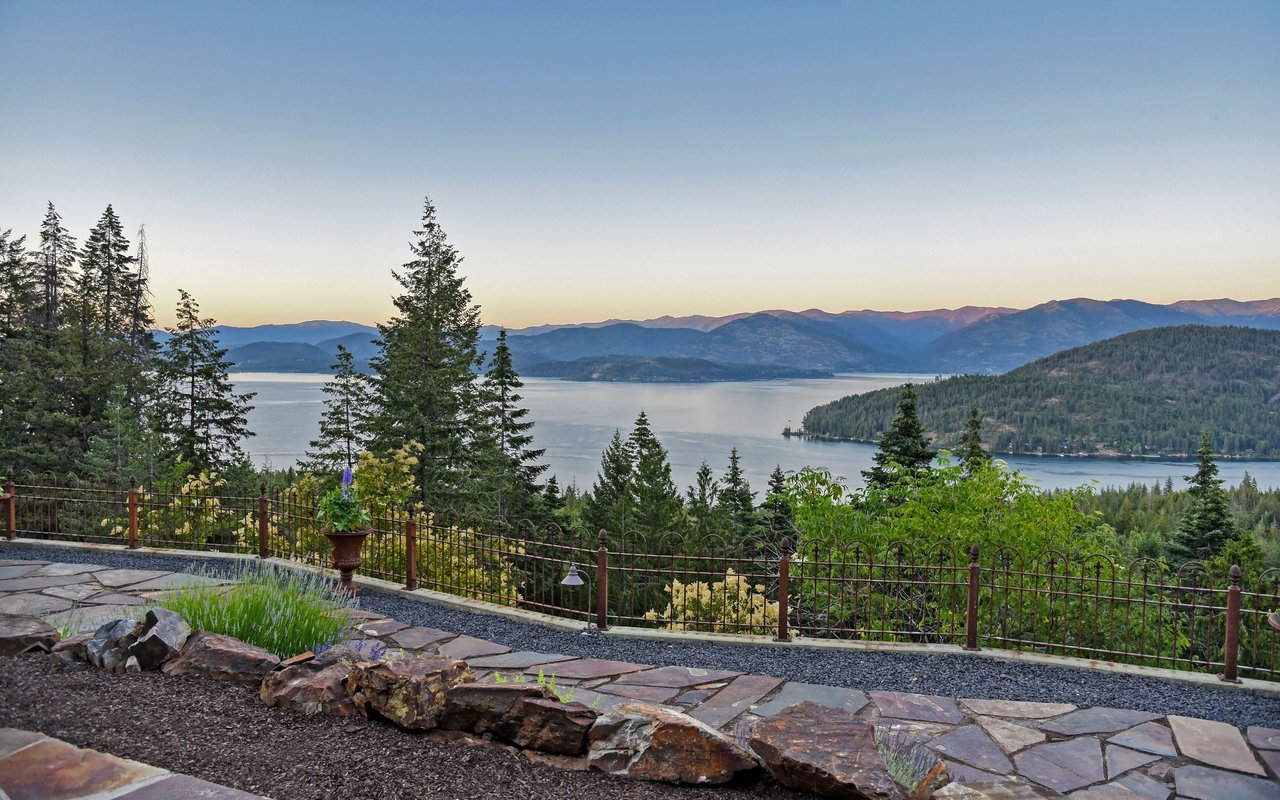
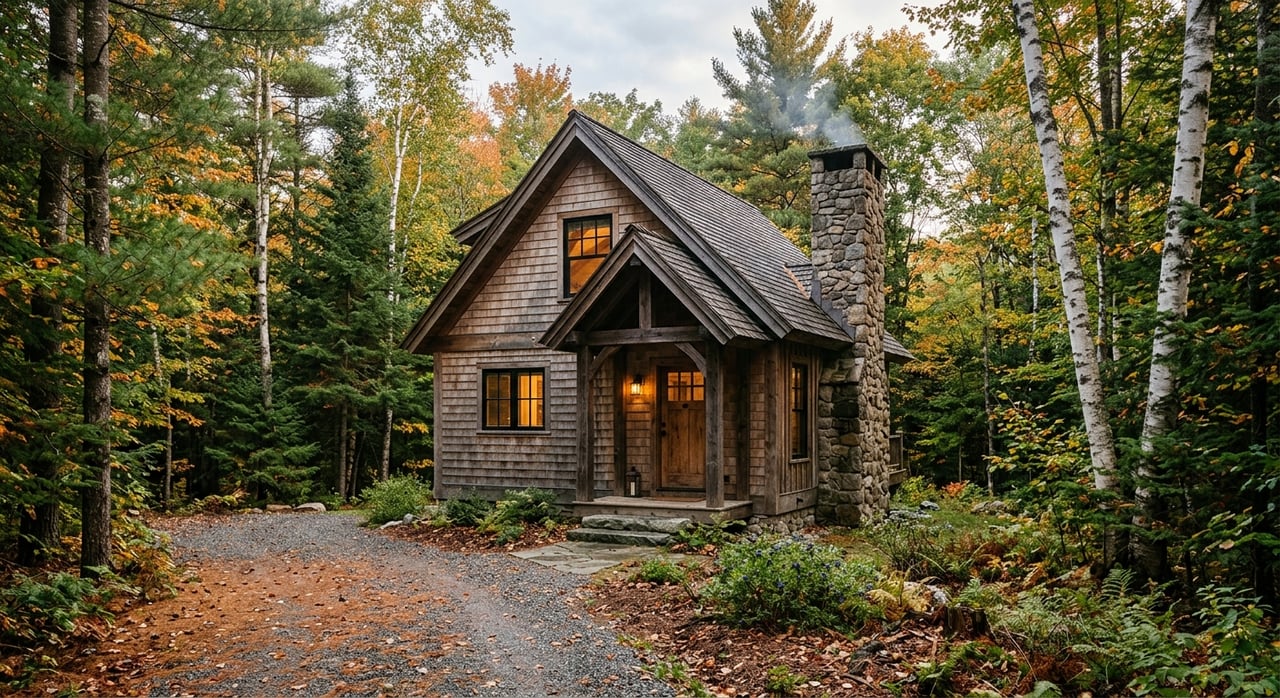
Dreaming about a cabin at Priest Lake? It is easy to picture summer mornings on the dock and cozy winter weekends near the snow, but buying here takes more than falling in love with the view. If you are considering a cabin in the 83821 area, you need a clear picture of access, seasonality, ownership demands, and what daily use really looks like. This guide will help you think through the practical side of Priest Lake cabin life so you can buy with more confidence. Let’s dive in.
Why Priest Lake Feels Different
Priest Lake is not just another waterfront market. According to Idaho Parks and Recreation, the lake stretches 19 miles, reaches depths of about 300 feet, and sits below the Selkirk Mountains. That setting shapes both the lifestyle and the type of ownership experience you can expect.
The area also runs on a strong seasonal rhythm. The Bonner County Priest Lake Area Plan draft describes a recreational draw with major seasonal population swings and a very small year-round base. In simple terms, Priest Lake often feels like a second-home and getaway market first, with full-time living playing a smaller role.
That matters if you are buying for weekend use, summer-only enjoyment, or a hybrid retreat you plan to use throughout the year. It also matters if you want a property that feels private and peaceful outside peak season.
Cabin Ownership Often Means Seasonal Use
Priest Lake has a long history as a second-home destination. The county plan cites a historical USFS study showing that about 26% of visits were from year-round residents or second-home and lessee property owners, while 17% of visitors stayed at second homes or leased cabins. Even though that data is older, it supports what many buyers are looking for here today: a place to return to season after season.
For you, that means a cabin purchase may be less about daily commuting and more about lifestyle fit. You may be choosing a summer base, a long-weekend retreat, or a four-season recreation property. The right property depends on how often you plan to use it and how much hands-on ownership you are comfortable with.
Access Matters More Than Buyers Expect
One of the biggest Priest Lake buying questions is simple: How do you actually get there? The main lake is reached by Highway 57 from Priest River, and the area includes a mix of public and private launch points. Bonner County lists public launches at Beaver Creek, Coolin, North Tule Bay, and Slee Street, along with resort and marina launches such as Elkins, Hills, Indian Creek, Kalispell Bay, Kaniksu, Lionhead, and Priest Lake Marina.
That range of access points tells you something important about the market. Some cabins are straightforward road-access properties. Others are more tied to boating, marinas, trails, or a remote setting that changes how you use the home.
Road-Access vs Boat-Oriented Living
Not every Priest Lake property offers the same kind of convenience. Some locations support an easier drive-in, unload-the-car, and settle-in routine. Others ask more from you in terms of planning, gear, and timing.
The farther north you go, the more remote the experience becomes. Idaho Parks and Recreation notes that Upper Priest Lake cannot be reached by car and is accessible only by foot, mountain bike, or boat. The Forest Service also points to public scenic land and shoreline areas that feel much more wilderness-adjacent than suburban or even traditional lake-neighborhood living.
Islands and Boat-Only Areas
Priest Lake also includes island and boat-only environments. The Forest Service says there are seven islands scattered throughout the lake, and some sites on Kalispell Island are boat-only. Even if you are not shopping for an island property, this gives you a sense of how varied the shoreline can be.
For buyers, that means access should be one of the first filters in your search. A beautiful cabin can be the wrong fit if its access pattern does not match how you want to use it.
Four-Season Use Is Possible, But Plan for It
Many buyers picture Priest Lake as a summer market, and summer is clearly the headline season. Boating, swimming, paddling, hiking, and fishing are central to the local lifestyle. But Priest Lake does not shut down when warm weather ends.
Idaho Parks and Recreation highlights winter recreation in the area, including snowshoeing and Nordic ski options like Hanna Flats. The park also notes some year-round cabin use, which supports the idea that a Priest Lake property can be more than a summer-only retreat.
That said, four-season ownership requires a practical mindset. The county plan notes that many local businesses slow down or close during winter road break-up, and Idaho Parks posts winter service reductions at Priest Lake State Park. If year-round usability matters to you, it is worth thinking through winter access, service levels, and what self-sufficiency might look like.
Recreation Shapes Daily Cabin Life
At Priest Lake, recreation is not a side benefit. It is a major part of what ownership means. Whether you want to spend your time on the water, on trails, or enjoying snow season, the local rhythm revolves around outdoor use.
Boating Is Core to the Lifestyle
Boating plays a major role in how owners and visitors use the lake. Bonner County posts a no-wake standard and local boating regulations, including no wake within 200 feet of shoreline or structures and a general maximum speed of 50 mph on Priest Lake and Upper Priest Lake where not otherwise regulated.
Those rules matter if you are picturing dock time, water sports, or a quiet shoreline setting. They also reinforce that lake living comes with shared-use expectations and basic stewardship responsibilities.
Fishing and Trail Access Add Value
The Forest Service says Priest Lake is known for Mackinaw trout, Cutthroat, and Kokanee. For many buyers, that makes fishing part of everyday cabin life rather than an occasional activity.
The same goes for trail and wildlife access. Forest Service and Idaho Parks resources highlight hiking, wildlife viewing, paddlesports, sailing, and winter trail systems. If you want a property that supports multiple seasons of use, recreation access can be just as important as the cabin itself.
Expect a Rustic, Lake-Oriented Feel
Priest Lake cabin character tends to lean rustic, wooded, and recreation-focused rather than polished and suburban. The county plan supports shoreline development patterns that emphasize scenic corridors, native vegetation, setbacks, and low-density use. It also notes that residential parcels without sewer and water may require larger lot sizes and at least graveled access.
That framework gives you a useful lens as a buyer. Even when properties differ in finish level or age, the broader area tends to value a natural setting and lower-density development. If you are looking for a cabin experience that feels tucked into the landscape, that is part of the appeal.
Maintenance Is Part of the Trade-Off
Cabin life at Priest Lake can be rewarding, but it usually is not totally hands-off. Seasonal conditions, changing access, and basic stewardship all play into ownership. In this market, convenience exists on a spectrum.
The public recreation system around the lake offers a good proxy for that range. On one end, the Forest Service describes boat-only island sites with no developed water systems and pack-it-in, pack-it-out rules. On the other, Idaho Parks and Recreation describes heated, year-round cabin options at Indian Creek State Park.
Your ownership experience may fall somewhere between those two extremes. If you are comfortable with seasonal planning and a bit more self-reliance, Priest Lake can be a great fit. If you want very low-friction ownership, access and utility setup deserve extra attention during your search.
Questions to Ask Before You Buy
Before you move forward on a Priest Lake cabin, it helps to pressure-test the property against your real-life use case. A few smart questions can save you from buying a place that looks great online but does not work well for how you plan to live.
Consider asking:
- Is the property best suited for summer use, winter use, or both?
- How is the cabin accessed in different seasons?
- Is the property road-accessible, boat-oriented, or more remote?
- What level of maintenance and planning will ownership require?
- How important are boating, fishing, trail access, or winter recreation to your decision?
- Does the setting match your goal for privacy, convenience, or recreation-first living?
These are the kinds of practical questions that matter in a market like Priest Lake. A valuation-first approach also helps you compare properties with very different access, utility, and usability profiles.
Buy With Local Context
Priest Lake can be an incredible place to own a cabin, but the right purchase starts with clear expectations. Access, seasonality, recreation, and maintenance all shape value here, and two properties with similar photos can offer very different ownership experiences.
That is where local knowledge and strong valuation guidance matter. If you are thinking about buying near Priest Lake and want help evaluating lifestyle fit, access trade-offs, and property value, connect with Jimy Black. You will get practical guidance grounded in North Idaho market knowledge, not pressure.
FAQs
What makes Priest Lake cabin life different from other North Idaho lake markets?
- Priest Lake stands out for its strong seasonal rhythm, recreation-first culture, and wide range of access types, from road-access cabins to boat-oriented and wilderness-adjacent settings.
What should buyers know about access for Priest Lake cabins?
- Buyers should confirm whether a property is primarily road-accessible, boat-oriented, or more remote, because access can affect daily use, seasonal usability, and maintenance planning.
Can you use a Priest Lake cabin year-round?
- Year-round use is possible in the Priest Lake area, but winter conditions, service reductions, and seasonal business slowdowns mean you should evaluate cold-weather access and practicality before buying.
What activities shape Priest Lake cabin ownership?
- Boating, fishing, paddlesports, hiking, wildlife viewing, snowshoeing, snowmobiling, and Nordic skiing all play a major role in how owners use Priest Lake properties.
What kind of cabin setting is common around Priest Lake?
- Many Priest Lake properties reflect a rustic, wooded, and lake-oriented setting shaped by low-density development patterns, native vegetation, and a strong connection to the surrounding landscape.
Why is local real estate guidance important when buying at Priest Lake?
- Local guidance can help you compare properties beyond surface-level appeal by looking closely at access, seasonality, usability, and value in a market where ownership experience can vary widely from one cabin to the next.