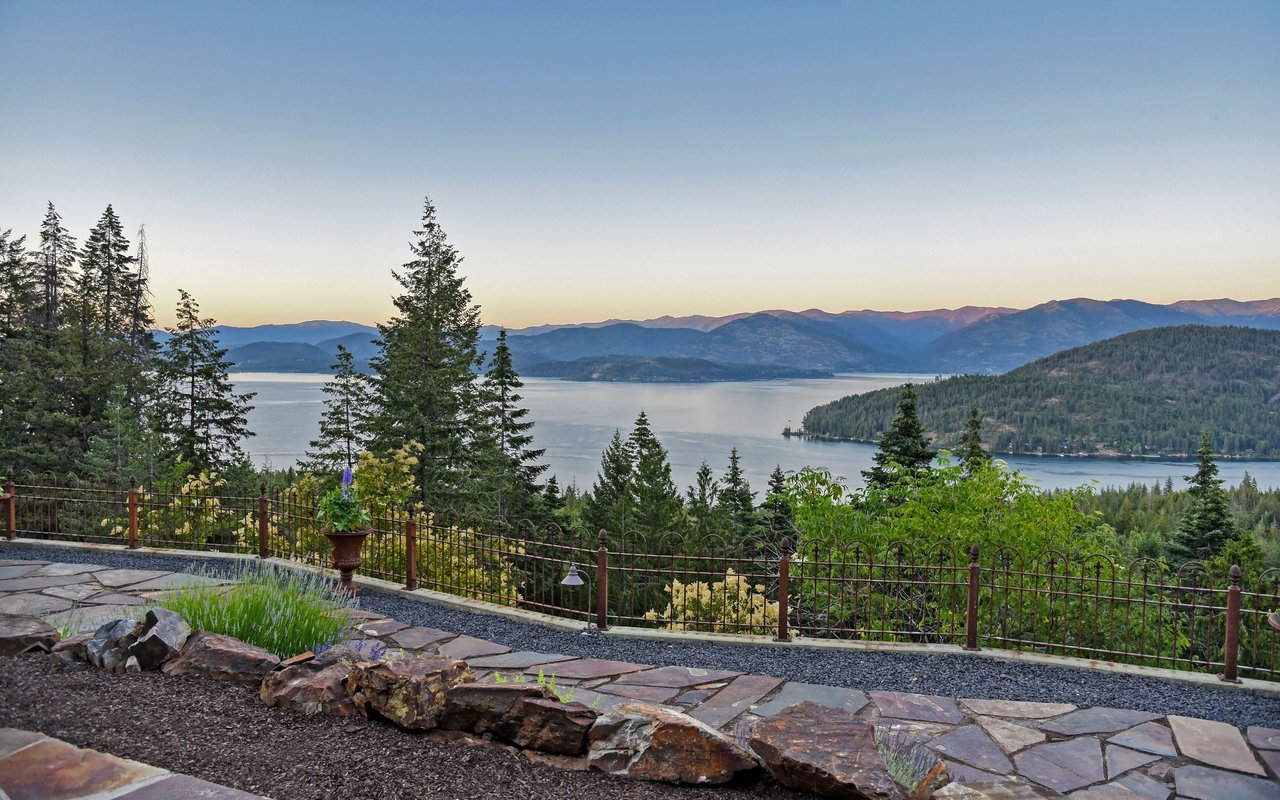

If you are getting ready to sell a Lake Pend Oreille home, the biggest mistake is assuming the view will do all the work. Buyers are drawn to the lake, but they also ask detailed questions about permits, boundaries, septic, easements, and floodplain issues. When you prepare those answers before you list, you can reduce surprises, support your price, and make the sale feel much smoother from day one. Let’s dive in.
Why prep matters in Lake Pend Oreille
Lake Pend Oreille is Idaho’s largest and deepest lake, at 148 square miles and 1,140 feet deep according to the Idaho Department of Water Resources. That scale helps define the appeal of the area, but it also means lake-oriented properties often come with features that need extra documentation.
In Bonner County, the median sold price was $648,000 for the three months ending May 2026, up 5.8% year over year. Zillow also places Sandpoint’s average home value at $641,937, with homes going pending in about 26 days. That points to an active market, but not one where buyers ignore missing paperwork or unclear property details.
For many sellers, that means presentation and documentation matter just as much as finish level. A polished home gets attention, but a complete listing file helps buyers feel confident enough to move forward.
Start with value and property facts
Before you think about photos or staging, make sure the basic property story is clear. In the Lake Pend Oreille corridor, pricing a home well means more than watching online estimates. It also means understanding the parcel, access, improvements, and any features that affect use or transfer.
Bonner County says its public parcel map is not survey-accurate and should not be used to determine corners or measurements. The deed contains the legal description, and easements may need to be traced through historical deeds, plats, title reports, or field sheets. If your listing involves shoreline, access routes, or unusual lot lines, this step can be especially important.
This is where a valuation-first approach matters. When your pricing strategy is backed by solid property facts, you are in a stronger position to explain value and respond to buyer concerns without scrambling later.
Confirm boundaries early
If buyers see a dock, a path, a driveway, or shoreline improvements, they often assume everything lines up neatly with the parcel. Sometimes it does, and sometimes it does not. That is why it helps to confirm what is deeded, what is permitted, and what may be subject to easements or shared use.
If lot legality is uncertain, Bonner County says a Certificate of Compliance is needed before staff can confirm it. That is not something you want to discover after your home is already under contract.
Build your seller document packet
A smooth sale often starts with an organized file. Idaho’s seller disclosure form asks about several property conditions and legal issues, so it is smart to gather supporting records before your home goes live.
Your document packet should include:
- Deed
- Survey or plat
- Title report
- Tax bill
- Easement records
- HOA or CC&R documents, if applicable
- Well records
- Septic records
- Prior permits
- Records for docks, shoreline work, or water lines
- Shared road agreements, if applicable
- Vacation rental permit records, if applicable
Idaho’s seller disclosure form specifically asks about septic systems, water source, roof condition, flood damage, encroachments, easements, zoning issues, private roads, shared road agreements, HOA or condo associations, and unpermitted additions. Pulling those records early can save time and help you answer buyer questions clearly.
Do not assume the county has every document
If your property is in a subdivision with CC&Rs, Bonner County says it does not enforce them. In practice, that means you should gather those documents yourself rather than assume they will appear through county review.
The same idea applies to older improvements or private agreements. If something affects how the property is used, accessed, or maintained, it is better to have it ready upfront.
Check waterfront permits before listing
For many Lake Pend Oreille properties, the most important pre-listing task involves waterfront improvements. The Idaho Department of Lands regulates encroachments on navigable lakes, including docks, marinas, shoreline stabilization, buoy systems, pilings, breakwaters, boat ramps, utility lines, float homes, and boat garages.
IDL says an encroachment permit is required before building on a navigable lake. If your property is being sold with an existing encroachment, the seller and buyer should complete an assignment, and the permit must be recorded with the county to remain valid.
The joint assignment fee is $300, and the process commonly takes one to two months. That timeline matters. If you wait until you are already in escrow, a missing or mismatched permit can slow everything down.
Watch for permit mismatches
IDL warns that if the encroachment does not match the permit, corrective work may be needed and closing can be delayed. That makes this one of the highest-value checks you can do before listing.
On Lake Pend Oreille and Bear Lake, a U.S. Army Corps of Engineers permit is also required for water lines. If your home has a water line tied to the lake setup, make sure that paperwork is part of your file.
Gather septic, well, and floodplain records
Lake homes often come with private systems, and buyers usually want proof that those systems are documented. Idaho DEQ says private septic systems are permitted and inspected through local public health districts. Bonner County also lists sewage disposal, wells, encroachment, and utility approvals among the permits a property may need.
If your home has septic, well, or other private infrastructure, gather those records before marketing begins. This helps buyers understand what exists, what was permitted, and what has been maintained.
Floodplain questions are also common. Bonner County says floodplain development permits are required for any man-made change in Special Flood Hazard Areas or floodways, and a federally backed mortgage can trigger mandatory flood insurance if the structure is in a Special Flood Hazard Area.
Permit history matters here
Bonner County has not had adopted building codes since 1997. Because of that, permit history and maintenance records can carry extra weight for buyers who want to understand how a property has been improved over time.
You do not need to over-explain the home. You do need to be ready with accurate records when questions come up.
Handle repairs before the market sees them
Once the paperwork is underway, turn to condition and presentation. Most sellers do not need a full remodel before listing, but they do benefit from fixing small issues that make buyers wonder what else has been overlooked.
Focus first on light repairs, deferred maintenance, and exterior cleanup. If a concern requires professional verification, Idaho says real estate licensees are not inspectors, so sellers should rely on a home inspector, engineer, or surveyor when needed.
That distinction matters in a lake market. A loose handrail, worn deck boards, drainage issue, aging roof section, or questionable shoreline feature may seem minor, but buyers often connect visible issues with bigger risk.
Stage for the way buyers shop lake homes
Staging is not just about making a room look nicer. According to NAR’s 2025 Profile of Home Staging, 83% of buyers’ agents said staging made it easier for buyers to visualize a home as their future property, 29% of sellers’ agents said staging raised the dollar value offered by 1% to 10%, and 49% said it reduced time on market.
The rooms most often staged were the living room, primary bedroom, dining room, and kitchen. For a Lake Pend Oreille home, that data supports a practical strategy: highlight the spaces that connect daily living to the lake setting.
Prioritize the spaces buyers remember
Before photos and showings, focus on:
- Living room
- Kitchen
- Primary bedroom
- Dining area
- Decks and patios
- Windows facing the water
- Entry or mudroom
- Storage for lake or outdoor gear
- Garage organization
A lake buyer is often imagining how the home feels after a day on the water, during a long weekend with guests, or through different seasons of ownership. Clean sightlines, bright interiors, and uncluttered outdoor living areas help that picture come together.
Follow a smart pre-listing sequence
The best prep usually follows a simple order. Start with facts and documents, then move to repairs and presentation.
A strong sequence for a Lake Pend Oreille home looks like this:
- Confirm the deed, legal description, survey, and easement records
- Verify dock, shoreline, and water-line permits
- Assemble the seller disclosure packet
- Gather septic, well, floodplain, HOA, and permit records
- Complete light repairs and exterior cleanup
- Stage the key rooms and outdoor spaces
- Photograph the home once the paperwork and presentation are ready
This order helps you avoid a common problem: marketing a property before you are ready to answer the questions serious buyers will ask.
Be ready for common buyer questions
In this market, buyers often move quickly once they feel confident. The challenge is that confidence usually depends on clear answers, not just a beautiful showing.
Expect questions like these:
- Is the dock or shoreline improvement permitted?
- Can that permit be assigned to a buyer?
- Is the property in a floodplain?
- Are septic and water systems documented?
- Are there easements or private-road agreements?
- Are there HOA rules or CC&Rs?
- Has the property ever been used as a vacation rental, and if so, was it permitted?
Bonner County says vacation rentals require a permit. If your home has ever been used that way, include that record in your prep file.
The goal is fewer surprises
Selling a Lake Pend Oreille home is not just about putting a property on the market. It is about presenting a complete, credible package that supports value and keeps momentum once a buyer steps forward.
When you prepare the deed, permits, disclosures, repair list, and staging plan before listing, you give yourself a better chance at a cleaner negotiation and a smoother path to closing. In a market shaped by waterfront features, private systems, and property-specific details, that kind of preparation can make a real difference.
If you want a pricing and prep strategy built around local data, property facts, and real-world lake market experience, connect with Jimy Black to schedule a consultation today.
FAQs
What documents should you gather before listing a Lake Pend Oreille home?
- You should gather the deed, survey or plat, title report, tax bill, easement records, HOA or CC&R documents if applicable, well and septic records, prior permits, and any records for docks, shoreline work, water lines, private roads, or vacation rental permits.
Why do waterfront permits matter when selling a Lake Pend Oreille property?
- Waterfront permits matter because the Idaho Department of Lands regulates many lake encroachments, and permit mismatches or missing assignments can delay closing or require corrective work.
Can you rely on the Bonner County parcel map for property boundaries?
- No. Bonner County says its public parcel map is not survey-accurate and should not be used to determine corners or measurements.
What floodplain issue should Lake Pend Oreille home sellers know?
- Bonner County says floodplain development permits are required for man-made changes in Special Flood Hazard Areas or floodways, and a federally backed mortgage may require flood insurance if the structure is in a Special Flood Hazard Area.
Which rooms should you stage before selling a Lake Pend Oreille home?
- You should focus on the living room, kitchen, primary bedroom, dining area, and outdoor spaces like decks, patios, and water-facing areas, along with clean entry, storage, and garage spaces.