Wondering if a Priest Lake cabin can truly work beyond summer weekends? It can, but four-season ownership here takes more than loving the view. If you want a place you can enjoy in July, reach in January, and maintain through spring breakup, you need to look closely at access, utilities, and year-round function. Let’s dive in.
Why Priest Lake Works Year-Round
Priest Lake is not just a summer destination. Idaho State Parks describes Priest Lake State Park as a year-round area with winter Nordic tracks, snowshoeing, and full-time residents, which gives you a clear picture of how the area functions across all seasons.
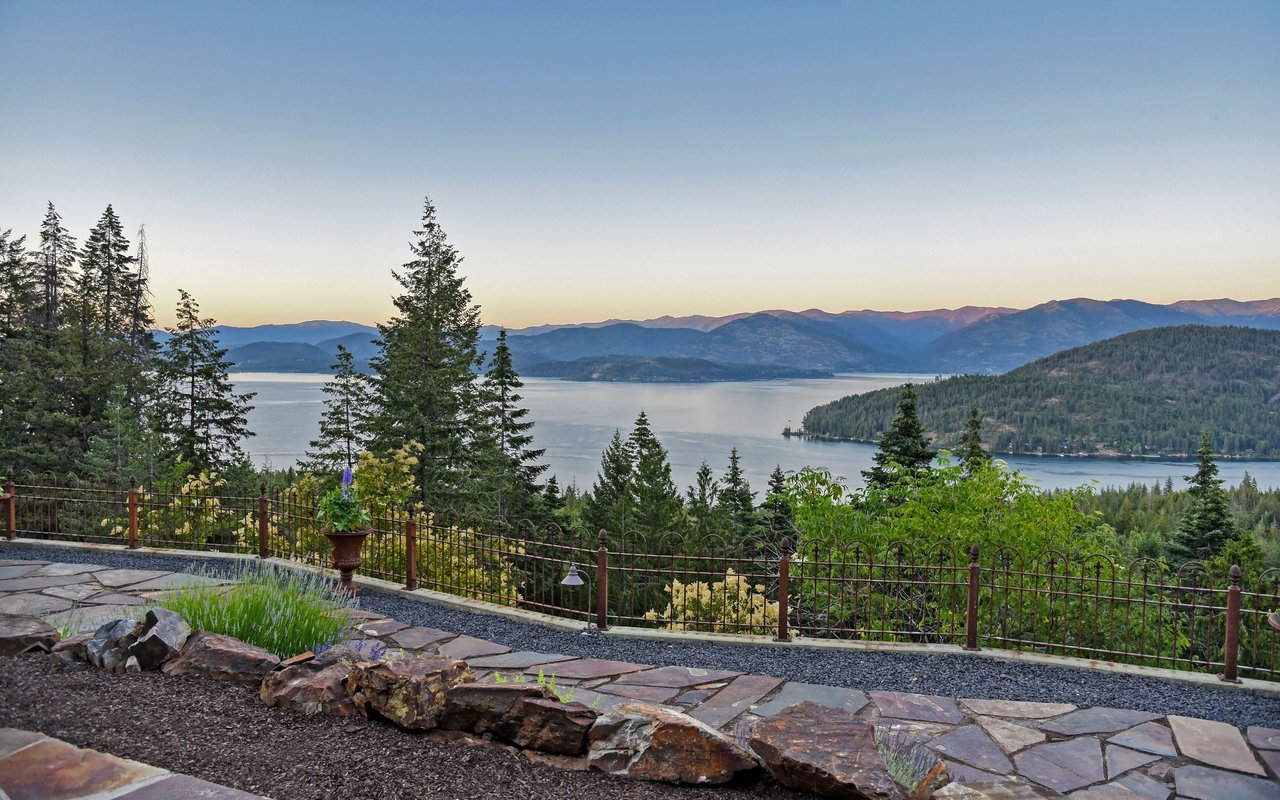
The setting itself shapes the ownership experience. Priest Lake State Park sits along a 19-mile-long, 300-foot-deep lake on the eastern shore, about 30 miles from the Canadian border. That scale and location are part of what makes the area so appealing, but they also mean weather, road access, and site conditions matter more than they might in a more urban market.
Bonner County planning materials also describe Priest Lake as a seasonal recreation market with a strong year-round community component. For you as a buyer, that means the right property can support real use in all four seasons, but only if the parcel and improvements are set up for it.
Understand the Seasonal Rhythm
Before you buy, it helps to understand how Priest Lake changes through the year. Bonner County notes that the local economy is heavily influenced by summer tourism and forest-related activity, and that many businesses close during the early spring months because of winter road breakup.
That detail matters more than it may seem at first. A cabin that feels easy to own in peak summer can feel very different during freeze-thaw cycles, shoulder season, or after a major snow event. If your goal is dependable use, you want to plan for the quiet months as carefully as the busy ones.
Winter is a major part of the Priest Lake experience. Idaho State Parks says the Priest Lake snowmobile area includes more than 400 miles of groomed trails, with the prime season running from December through March. That is a major plus for recreation, but it also tells you this is a true snow market, not just a place that gets an occasional winter dusting.
Check Winter Access First
If you only remember one thing during your search, make it this: year-round access is a property-specific question. In the Priest Lake area, Highway 57 is the main corridor in, and county planning materials describe a mix of road systems that includes gravel roads and routes connecting to primary transportation corridors.
Bonner County’s Road & Bridge guidance gives buyers a practical framework. The county says winter maintenance includes plowing snow and sanding curves and hills, and crews mobilize early when 3 to 4 inches of snowfall are expected. That sounds reassuring, but the details at the property level still matter.
For example, the county requires space to turn a snowplow around at the end of a road. If a road does not have an adequate turnaround, county winter plowing may stop there. The county also does not clear private driveways or private-road intersections, which means your cabin can be on a plowed road and still be difficult to reach.
When you tour a property, ask direct questions like:
- Who maintains the road?
- Who plows it in winter?
- Is the road public or private?
- Is there a proper snowplow turnaround?
- Does the driveway have enough room for snow storage?
- Is the driveway steep or shaded in a way that could create winter traction issues?
This is where a practical, boots-on-the-ground review matters. A great four-season cabin is not just attractive in listing photos. It stays reachable when snow piles up and road conditions change.
Plan for Spring Breakup Too
Winter gets most of the attention, but early spring can be just as important. Bonner County specifically notes that some businesses close during early spring because of winter road breakup.
That means access is not only about snow depth. It is also about what happens during thaw cycles, when roads can soften and travel can become less predictable. If you expect to use the cabin often, or if you want a more reliable ownership experience, ask whether the property remains practical during breakup periods as well as mid-winter.
Verify Water and Septic Early
Utilities are another big part of planning for four-season use. Bonner County planning materials say some parts of the Priest Lake area have improved sewer and water service, but many rural settings are generally served by individual sewer and water systems.
In plain terms, you should not assume municipal hookups. One cabin may have community service nearby, while another may rely entirely on private infrastructure. That difference can affect maintenance, usability, and your comfort level as an owner.
For wastewater, Panhandle Health District states that permits are required for all subsurface sewage disposal systems in Idaho. Permit review considers the location of wells or springs, surface water, groundwater, grading, nearby structures, and soil type.
That makes septic due diligence essential. Before you buy, try to confirm:
- Whether the septic system was permitted
- The drainfield layout
- The reserve drainfield area
- Pump-out history
- Whether the system is sized for how you plan to use the property
If you hope to use the cabin frequently across all four seasons, those details matter. A system that works for occasional summer use may not align with heavier occupancy patterns.
Confirm Power and Backup Heat
Electric service should also be confirmed by parcel. Bonner County planning materials say Northern Lights serves portions of Bonner County that include Priest Lake, and public notices have referenced outages affecting members in Priest Lake, Coolin, and Nordman.
The takeaway is simple: ask how the home functions if power is interrupted. In a true winter market, backup heat is not just a nice extra. It can be a key part of keeping the property usable and protecting it during colder conditions.
Questions worth asking include:
- What is the primary heat source?
- Is there a backup heat source?
- Is the home generator-ready?
- How long can the property remain functional if power goes out?
These are not small details. They are part of the difference between a cabin that is charming in theory and one that is practical in real life.
Think Beyond the Cabin Itself
A four-season purchase is also about the site. Idaho State Parks notes that the area gets generous amounts of snow, and state snowmobile guidance says grooming only happens when conditions allow and when there is at least 18 inches of snow in the parking lot.
That gives you a useful benchmark for how serious winter conditions can be. It also points you toward the features that deserve extra attention during showings and inspections.
Look closely at:
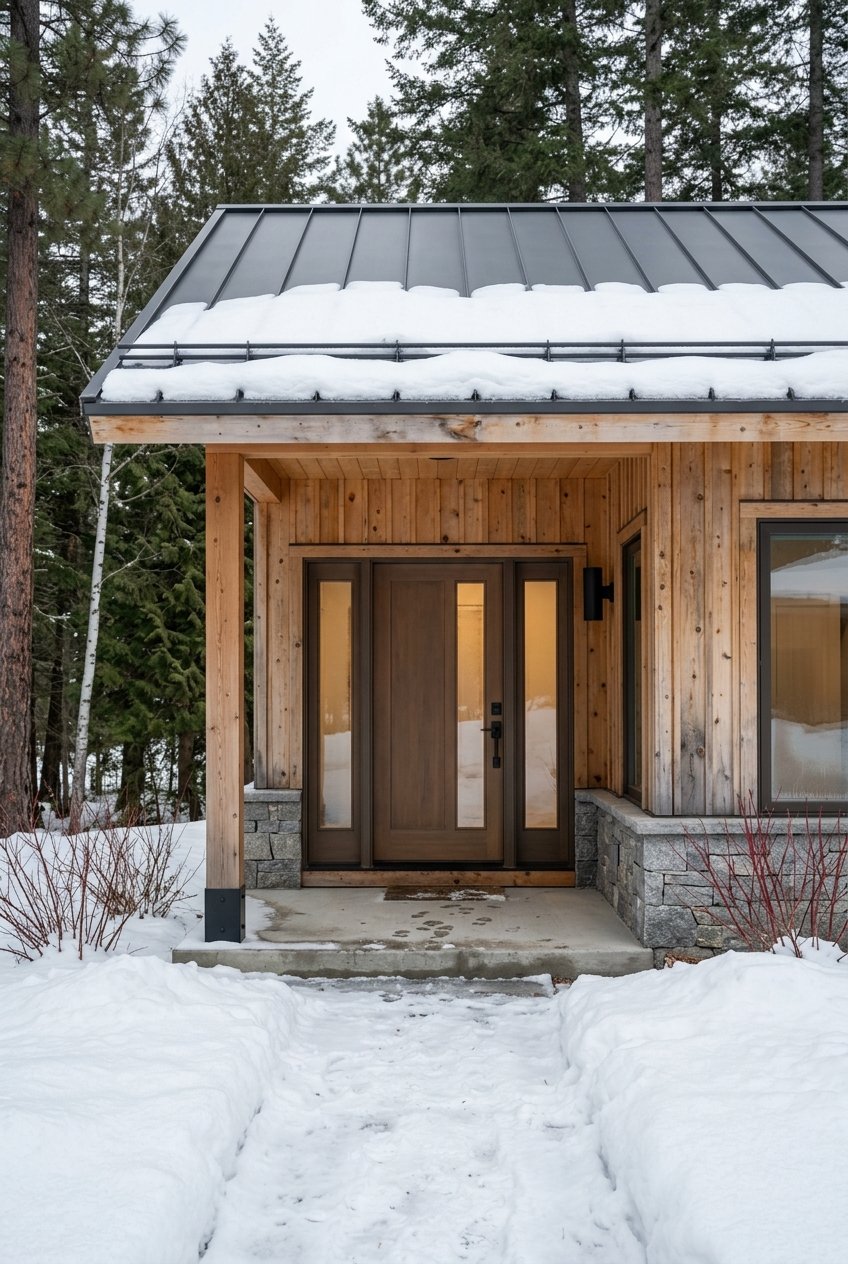
- Roof design and snow-shedding patterns
- Driveway grade and width
- Space for plowed snow
- Entry access after a storm
- Storage for winter gear and equipment
- How the property functions if access is temporarily limited
The right layout can make ownership easier in every season. The wrong one can create recurring maintenance headaches.
Include Wildfire Readiness in Your Plan
Four-season ownership at Priest Lake also means planning for wildfire season. The Idaho Department of Lands offers a Wildfire Home Protection Zone Evaluation to help property owners create defensible space around structures.
That is important because your ownership plan should work in summer and fall just as much as winter. If a cabin is heavily treed, ask yourself whether the site has realistic defensible-space potential and whether ongoing vegetation management feels manageable to you.
The Idaho Department of Lands also says burn permits are required statewide for burning outside city limits from May 10 through October 20. Fire restrictions can also limit campfires and some stove use under Stage 1 and Stage 2 restrictions, so outdoor fire features may not always be available when you want them.
Review Wood Heat Carefully
If you are drawn to an older cabin with wood heat, take a close look at maintenance needs. Idaho DEQ recommends annual professional inspection of the stove, chimney, and vent, along with regular chimney cleaning to help prevent creosote buildup and chimney fires.
DEQ also recommends dry fuel and EPA-certified equipment. So if a property’s rustic charm depends on an older wood stove setup, be sure you understand the condition, upkeep, and likely improvement needs before you move forward.
Use a Simple Four-Season Checklist
When you compare Priest Lake cabins, it helps to stay grounded in a short list of non-negotiables. In this market, the most useful features often have less to do with finishes and more to do with function.
Prioritize these items:
- Dependable winter road access
- A plowable driveway
- Proper turnaround space
- Documented septic information
- A clearly identified water source
- Backup heat or generator capacity
- Defensible-space potential
- Storage for winter equipment and gear
This kind of checklist keeps you focused on how a property will actually live, not just how it shows on a sunny day.
Why Local, Data-Driven Guidance Matters
At Priest Lake, two cabins with similar square footage or similar lake proximity can offer very different ownership experiences. Access, site systems, maintenance demands, and year-round usability all affect value in ways that are easy to miss if you focus only on the headline features.
That is why a valuation-first approach matters. When you look at a four-season cabin through the lens of access, infrastructure, and long-term practicality, you put yourself in a better position to buy with fewer surprises.
If you are weighing a Priest Lake cabin and want a practical read on value, usability, and due diligence, connect with Jimy Black for a local conversation grounded in real North Idaho property insight.
FAQs
What makes a Priest Lake cabin a true four-season property?
- A true four-season Priest Lake cabin should have realistic winter road access, a plowable driveway, dependable water and septic systems, and a plan for power outages, snow, and seasonal maintenance.
What should you ask about winter access at a Priest Lake cabin?
- Ask who maintains the road, who plows it, whether there is a proper turnaround for snowplows, whether the driveway can handle snow storage, and whether access stays practical during freeze-thaw conditions.
Do Priest Lake cabins usually have city water and sewer?
- Not always. Bonner County planning materials say some areas have improved sewer and water service, but many rural properties rely on individual sewer and water systems.
Why is septic due diligence important for a Priest Lake cabin purchase?
- Panhandle Health District requires permits for subsurface sewage disposal systems, so you should confirm permit history, drainfield layout, reserve area, and whether the system fits your planned level of use.
How important is backup heat for a Priest Lake cabin?
- Backup heat is very important because power interruptions can affect year-round usability, especially during winter conditions.
What seasonal maintenance should you expect with a Priest Lake cabin?
- You should plan for snow removal, freeze-thaw wear, possible spring access challenges, defensible-space upkeep, and regular inspection of systems like wood stoves, chimneys, and vents if the property uses wood heat.