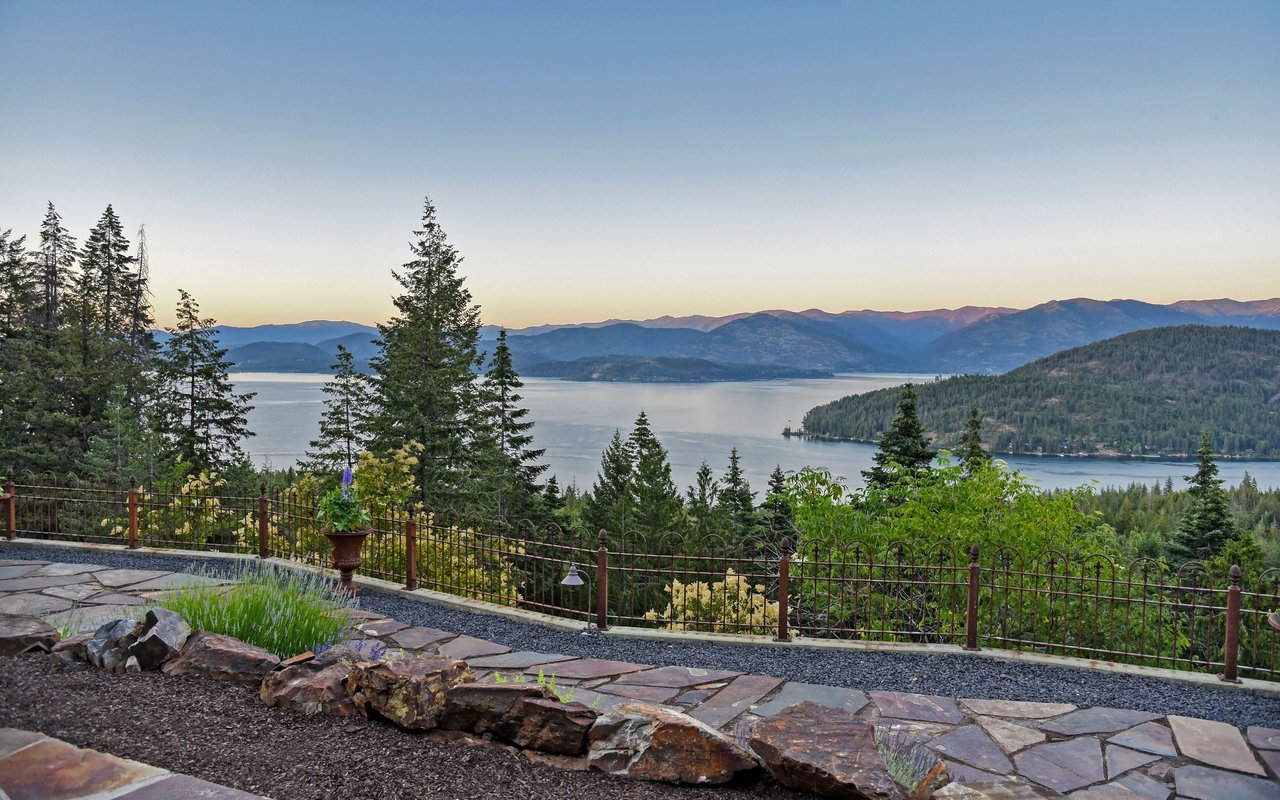
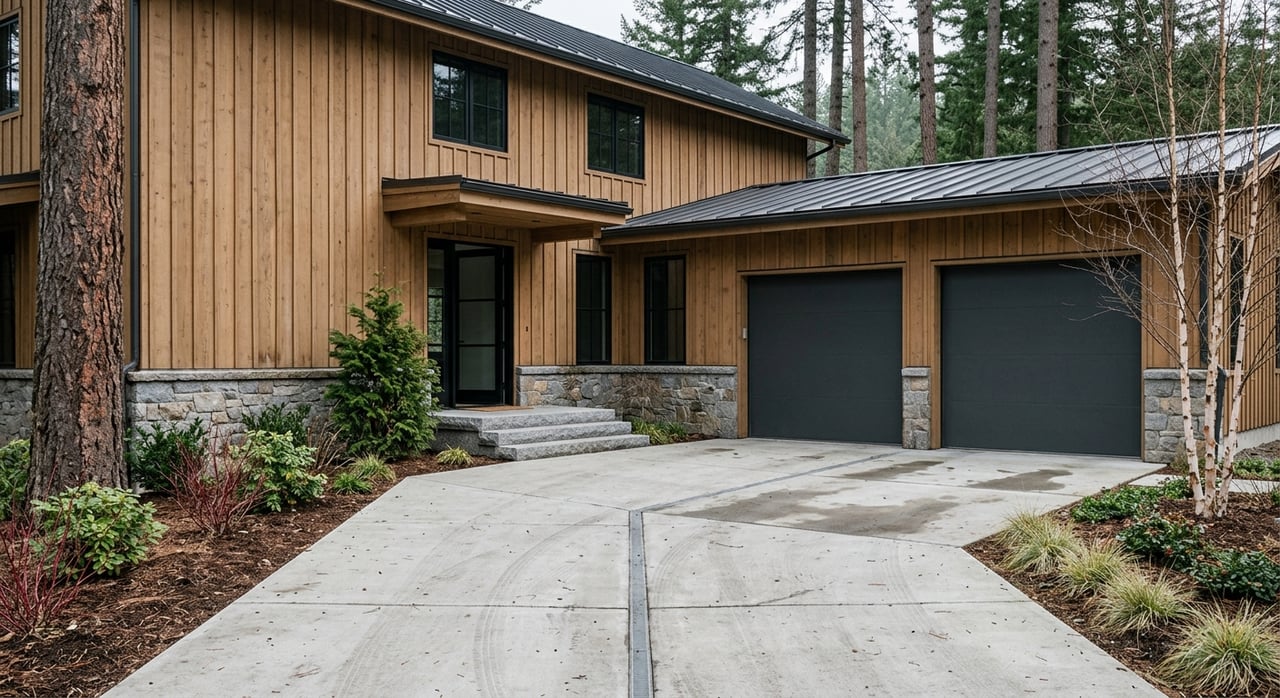
Buying on Lake Pend Oreille can feel like a dream until you realize how much of that dream depends on what happens at the shoreline, under the ground, and in the public record. If you are looking at a lakefront home, cabin, or vacant parcel, you need more than pretty photos and a quick tour. You need to know what you are actually buying, what you can use, and what it may cost to own or improve. Let’s dive in.
Why due diligence matters on Lake Pend Oreille
Lake Pend Oreille is not a simple waterfront market. According to the U.S. Army Corps of Engineers, it is one of the largest and deepest natural lakes in North America, with about 226 miles of shoreline and depths that exceed 1,200 feet in some places.
It is also an actively managed lake. The Corps operates Albeni Falls Dam for flood risk management, hydropower, recreation, fish and wildlife, and water quality, which means seasonal water-level changes are a normal part of ownership, not an unusual event.
That matters because a property can look very different depending on the time of year. The Corps notes the reservoir is generally held near an ordinary high-water elevation of 2,062.5 feet during summer and drawn down to about 2,051 feet from fall through spring runoff, with normal variation during winter storms, as outlined in the Albeni Falls Dam Master Plan materials.
Check the shoreline boundary first
One of the biggest lakefront mistakes is assuming the usable shoreline is the same as the legal property boundary. On Lake Pend Oreille, that can be a costly assumption.
The Idaho Department of Lands states that Idaho owns the beds and banks of navigable waterways below the ordinary high water mark. For you as a buyer, that means the ordinary high water mark, or OHWM, is central to understanding what land is private, what land is state-owned, and where future improvements may or may not be allowed.
This is why survey review matters so much. You want to confirm the legal boundary, any easements, and whether there are accretion, fill, or reclaimed-area questions that could affect your use of the property.
Why seasonal water levels affect value
Water levels can change dock access, beach exposure, and bank stability. A stretch of shoreline that looks wide and easy to use in late summer may feel very different during low-water months.
If you plan to add stairs, improve the shore, or build near the water, those seasonal conditions can affect both cost and feasibility. This is one reason a lakefront property should be evaluated in terms of use across seasons, not just how it presents on showing day.
Verify docks and shoreline improvements
Do not assume a dock automatically transfers with the property just because it appears in listing photos. On Lake Pend Oreille, docks and other shoreline features often involve state and federal oversight.
The Idaho Department of Lands encroachment guidance says an encroachment permit is required before building on a navigable lake. It also notes that when lakefront property with an existing encroachment changes hands, a permit assignment is needed.
Lake Pend Oreille also falls under Section 10 federal jurisdiction, so the Corps says certain work in, over, or affecting navigable waters may require a Department of the Army permit. That can apply to items like docks, water lines, shoreline stabilization, and similar improvements.
What to ask for before removing contingencies
If the property has a dock, water intake line, retaining feature, or other shoreline work, ask for:
- Permit numbers
- The current permit holder
- Proof of assignment status
- Any recorded county documents tied to the improvement
- Documentation if a pre-1975 dock is claimed to be grandfathered or eligible for permitting
These are not minor details. If permit history is incomplete or unclear, that risk should factor into your price, timeline, and contract terms.
Review title, lot legality, and recorded documents
Lakefront buyers should treat title and recorded-document review as a core part of due diligence. In Bonner County, that is especially important.
According to the Bonner County Planning Department FAQ, Idaho is a buyer beware state, and the county cannot confirm lot legality without a Certificate of Compliance. The county also warns that wetlands and other shoreline features may not appear clearly on public maps.
That means you should not rely on marketing materials or one online map to answer legal or physical questions about the parcel. A title review, survey review, and document review can help you understand what is actually recorded, what access is legal, and whether the parcel is compliant for your intended use.
Check septic and water early
For many Lake Pend Oreille properties, septic and water are make-or-break issues. This is especially true for older homes, cabins, and vacant land.
The Panhandle Health District says permits are required for all subsurface sewage disposal systems in Idaho. Approval depends on factors like soil type, groundwater, nearby surface water, well or spring location, grading, and proposed land use.
For a waterfront property, septic feasibility is often one of the most important functional questions. If the system is older, undersized, or not documented, you may need to investigate replacement scope before you commit.
Know what serves the property
You should also confirm whether the property is on public water, a private well, or a shared system. The Idaho Department of Environmental Quality notes that lenders typically require proof of safe drinking water.
If the home is served by a community public water system, you can request a Consumer Confidence Report. If it relies on a private well, certified lab testing may be appropriate. The key is to verify service and water quality, not assume a shoreline home has standard utility infrastructure.
Understand floodplain and permit exposure
Flood status can affect more than peace of mind. It can change your insurance costs, financing requirements, and what improvements you are allowed to make.
Bonner County states that a flood development permit is required for development in a flood hazard area. The county also notes that many properties along lakes, rivers, and streams include special flood hazard areas.
If a property is in a special flood hazard area and you are using a federally backed mortgage, participation in the National Flood Insurance Program may be required. That makes floodplain review an early-stage task, not something to leave until the end of escrow.
Do not overlook road and driveway access
Waterfront buyers sometimes focus so heavily on the lake that they miss the access side of the equation. But road and driveway conditions can create major cost surprises.
The Bonner County Road & Bridge Department maintains county roads, plows and sands many roads in winter, and requires driveway or road approach permits for access points. The county also posts seasonal weight limits, which can matter if you plan improvements or delivery of materials.
For rural or partially improved lake parcels, you should confirm whether access is already permitted and whether upgrades such as culverts, grading, or right-of-way review may still be needed. A great shoreline location is less appealing if access work becomes a major project.
Remember that permits are not inspections
Bonner County Planning says structures over 400 square feet require building location permits, and applicants may also need other approvals, including sewage disposal, wells, driveway or encroachment permits, electrical, plumbing, HVAC, and local fire district approvals, according to its planning FAQ.
The county also states that it has not had adopted building codes since 1997. For you, that means county paperwork should not be treated as proof of structural quality or condition.
This is especially important on waterfront property. Drainage, erosion, structural wear, and shoreline effects should be reviewed by licensed professionals rather than assumed from permit history alone.
Use due diligence to shape your offer
Good due diligence is not just about avoiding surprises. It also helps you make a better offer and negotiate from a stronger position.
The Bonner County Assessor says assessed value is based on sale prices, construction costs, rents, and factors such as size, location, age, quality, and condition. It also notes that the county property search is updated only once per year and is for general reference only.
In real terms, unresolved dock permitting, septic uncertainty, floodplain restrictions, private-road obligations, or access issues can affect buildability, carrying costs, and resale. Those are valuation issues, not just paperwork issues.
A practical due diligence sequence
A smart workflow for Lake Pend Oreille purchases often looks like this:
- Review title, survey, and legal boundary information
- Confirm shoreline rights, OHWM issues, and easements
- Verify dock and encroachment permits and any assignment requirements
- Investigate septic records, water source, and water quality documentation
- Check floodplain status and permit needs
- Confirm driveway, road access, and maintenance obligations
- Translate the findings into price, contingencies, repair requests, or walk-away decisions
That process lines up well with how local and state agencies divide oversight. It also helps you avoid spending time on later-stage details before confirming the property works at a basic legal and functional level.
Why local guidance helps
Lake Pend Oreille properties are rarely one-size-fits-all. A home with a dock, septic system, shoreline improvements, and private access can involve multiple agencies, multiple records, and multiple layers of review.
That is why local guidance matters. When you combine valuation discipline with practical due diligence, you are better positioned to spot risk, frame the right contingencies, and avoid overpaying for features that may not be fully usable or transferable.
If you are thinking about buying on the lake, Jimy Black can help you evaluate the numbers, the records, and the real-world usability so you can move forward with more confidence.
FAQs
What should you verify before buying a dock property on Lake Pend Oreille?
- You should confirm the dock permit history, permit holder, assignment status, and any related county-recorded documents before relying on the dock as an included amenity.
How do lake levels affect a Lake Pend Oreille purchase?
- Seasonal lake-level changes can affect dock usability, beach exposure, bank stability, and whether certain shoreline areas are privately usable or below the ordinary high water mark.
Does a shoreline property on Lake Pend Oreille automatically include the land to the water?
- No. Idaho says the state owns the beds and banks of navigable waterways below the ordinary high water mark, so survey and boundary review are essential.
What septic questions should you ask when buying Lake Pend Oreille real estate?
- You should ask whether the septic system is permitted, appropriately sized, serviceable for the intended use, and whether replacement or upgrade work may be needed.
Why does floodplain status matter for Lake Pend Oreille buyers?
- Floodplain status can affect development permits, insurance costs, and mortgage requirements, especially if the property is in a special flood hazard area.
What access issues should you review for a Lake Pend Oreille waterfront parcel?
- You should verify legal and physical access, driveway or road approach permits, and whether road upgrades, culverts, seasonal weight limits, or maintenance obligations may affect ownership costs.