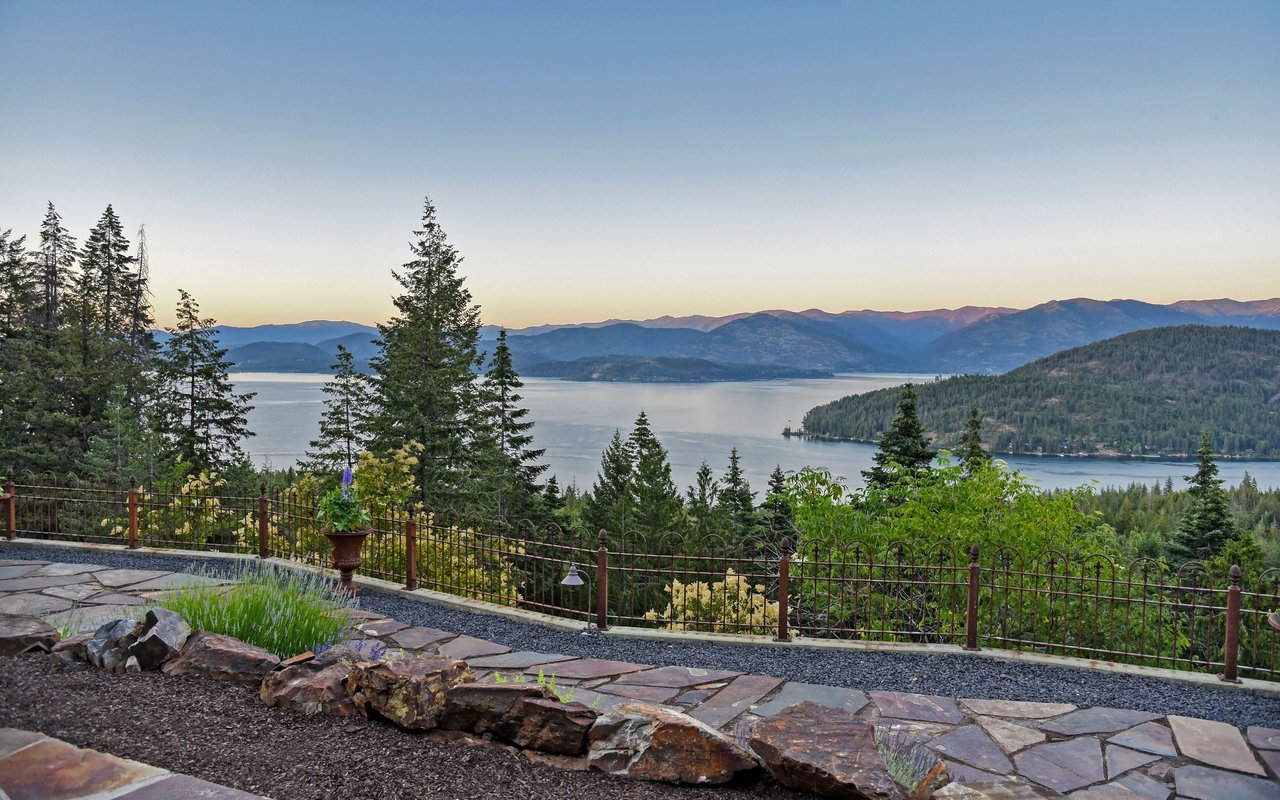
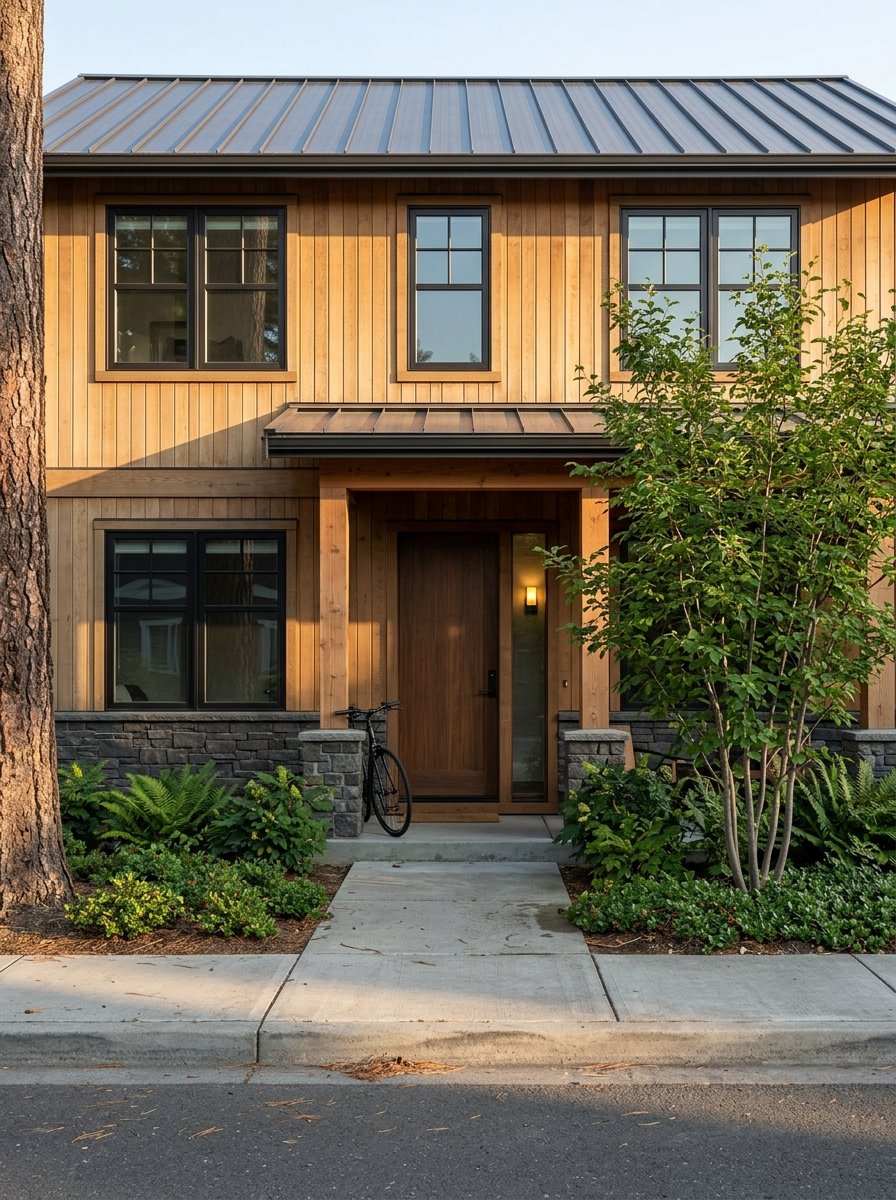
If you are deciding between downtown Coeur d'Alene and the suburban edge, the biggest question usually is not just price. It is how you want to live day to day. Do you want to walk to coffee, dinner, the lake, and trails, or do you want more space and a more traditional residential setting? This guide breaks down the real tradeoffs so you can match your housing choice to your lifestyle and budget with more confidence. Let’s dive in.
Downtown Coeur d'Alene at a Glance
Downtown Coeur d'Alene is the city’s historic commercial core on Lake Coeur d'Alene. The city describes it as a dense mixed-use district with walkable streets, early 1900s architecture, retail, dining, lodging, mixed-use buildings, and mid- to high-rise residential.
It is also a major activity center. The downtown association says the district includes more than 125 retail stores, restaurants, and professional businesses. If you want daily convenience and easy access to activity, downtown clearly delivers that in a way lower-density areas usually do not.
Suburban Coeur d'Alene at a Glance
As you move away from downtown, the housing pattern changes. The city’s housing and planning materials show that density is intended to taper away from the core, which means surrounding residential areas typically offer a lower-density setting.
In practical terms, that usually means more detached homes, more yard space, and a more conventional neighborhood feel. The tradeoff is that you are more likely to drive for dining, shopping, and lakefront recreation instead of reaching those places on foot.
Housing Types: What You Will Actually See
Downtown offers more attached housing
If you picture downtown living, think in terms of condos, townhomes, apartments, mixed-use buildings, and smaller residential footprints. The city says its residential and mixed-use districts allow duplexes, apartments, condominiums, townhomes, twin homes, cottage homes, and ADUs, especially in areas near jobs, services, downtown, transit, and walking and biking trails.
That matters because your choice may come down less to downtown versus suburbs on price alone and more to the kind of home you want. If you are open to attached housing or an infill-style property, downtown and close-in areas may offer options that fit your goals.
Suburban areas lean toward more space
If you want a detached home with more land, areas farther from the downtown core are often a better fit. The city’s planning framework supports lower density as you move outward, which tends to preserve that more spacious residential pattern.
For many buyers, that means better odds of finding a home with a larger lot, more storage, and a quieter residential setup. If your priority is square footage and separation from commercial activity, the suburban edge may align better with what you want.
Is Downtown More Expensive?
Not always in the way buyers expect. Coeur d'Alene’s median owner-occupied home value is $483,500, according to Census data, while nearby Hayden is at $494,500, Post Falls is $477,400, and Rathdrum is $444,100.
Those figures show the story is more nuanced than saying downtown is always pricier and the suburbs are always cheaper. In this market, the bigger question is often whether you want a condo, townhome, mixed-use unit, or a traditional detached home. Property type can shape your budget just as much as location.
Walkability vs. Driving
Downtown supports a car-light routine
The city describes downtown as highly walkable, and that is one of the strongest lifestyle advantages in the area. You can be close to dining, shopping, professional services, parks, lakefront access, and trail connections without needing to drive everywhere.
If your ideal routine includes walking to errands or recreation, downtown stands out. That is especially attractive for buyers who want convenience built into their daily schedule rather than added through short car trips.
Suburban living often means more driving
A home outside the core can give you more breathing room, but you will usually trade some convenience for that space. Dining, shopping, waterfront parks, and downtown events may still be close by car, but they are less likely to be part of a walkable routine.
Citywide, the mean travel time to work is 18.1 minutes. The Idaho Department of Labor also shows Coeur d'Alene as a leading work destination for county residents, which reinforces how connected the broader area is for commuters coming from Hayden, Post Falls, Rathdrum, and beyond.
Parking: A Practical Downtown Tradeoff
Parking is one of the main concerns buyers raise about downtown living, and it is worth weighing honestly. The city says downtown has 2,268 public parking spaces, including 1,034 free spaces, 700 two-hour on-street spaces, 218 all-day free spaces in the East McEuen lot, and 116 library spaces.
That setup supports dining, shopping, and day-to-day visits, but it also reflects the reality of a more active mixed-use district. If you prefer a setting where parking is simpler and more private, a suburban property may feel easier. If you value being near amenities enough to accept more managed parking, downtown may still be well worth it.
Lake Access and Recreation
Downtown puts the waterfront close
One of downtown Coeur d'Alene’s biggest advantages is immediate access to the lake and public recreation. City Park sits on the waterfront and includes a swim beach and off-street parking. Independence Point is next to City Park and offers a beach, swim area, benches, and water features.
McEuen Park adds even more access with a seawall overlook, boat launch, mooring facilities, and a Tubbs Hill trailhead. Tubbs Hill itself is a 165-acre natural area bordered by Lake Coeur d'Alene on three sides, which gives downtown a unique recreation advantage.
Suburban areas may mean a short drive
Living elsewhere in Coeur d'Alene does not mean you lose access to the lake. It does mean access is usually less immediate. Public lake access is concentrated in specific parks, beaches, docks, and trailheads, so convenience depends a lot on exactly where you live.
The city park system includes six beach areas, four city-owned docks, four natural parks, and 22 miles of shared-use paths. The 60-mile Centennial Trail also runs through McEuen Park, which makes the downtown area especially appealing if you want recreation that starts right outside your door.
Which Lifestyle Fits You Best?
Downtown may fit you if you want convenience
Downtown can be a strong fit if you want to walk to restaurants, shops, parks, and the waterfront. It also makes sense if you are comfortable with a smaller footprint, attached housing, and a more active mixed-use setting.
This option often appeals to buyers who value access over lot size. It can also make sense for some second-home buyers who want a low-maintenance property close to amenities and recreation.
The suburban edge may fit you if you want space
If your priority is more indoor and outdoor space, the suburban edge may be a better match. A more traditional detached home setting can give you room to spread out, more privacy from commercial activity, and a layout that better supports long-term daily living.
This can be especially appealing for move-up buyers who want a larger home, a yard, or a more conventional residential environment. You may drive more, but many buyers consider that a worthwhile trade for extra space.
A Smart Way to Compare Both Options
When you tour homes, compare them through a simple decision lens instead of focusing on price alone. A valuation-first approach helps you look at what you are truly getting in each location.
Ask yourself:
- How often do you want to walk instead of drive?
- How important is immediate lake and trail access?
- Would you rather have more square footage or more location convenience?
- Are you open to condos, townhomes, or mixed-use housing?
- How much does parking simplicity matter to your daily routine?
- Is this a primary home, second home, or investment-minded purchase?
Those questions tend to reveal the right fit quickly. In Coeur d'Alene, the best choice is often the one that matches how you want to spend your time, not just where you think you should buy.
If you want help weighing downtown convenience against suburban space, Jimy Black brings a data-driven North Idaho perspective to the conversation. That means looking beyond surface-level appeal and helping you compare value, property type, and long-term fit with clarity.
FAQs
Is downtown Coeur d'Alene worth the tradeoff in space and parking?
- For many buyers, yes if walkability, dining, shopping, and quick lake access matter more than a larger lot or easier private parking.
Are condos and townhomes common in downtown Coeur d'Alene?
- Yes. The city allows housing types such as apartments, condominiums, townhomes, duplexes, twin homes, cottage homes, and ADUs in its residential and mixed-use districts.
How close is downtown Coeur d'Alene to public lake access?
- Downtown is the strongest area for immediate public lake access because City Park, Independence Point, McEuen Park, and Tubbs Hill are right at or next to the core.
Do suburban Coeur d'Alene areas offer better value than downtown?
- Not always. Local housing data suggests the bigger difference is often the type of home you buy, such as a condo or townhome versus a detached home with more land.
Which Coeur d'Alene area fits first-time buyers best?
- Buyers who want convenience and are open to smaller or attached housing may prefer downtown or close-in areas, while buyers focused on more space may prefer areas farther from the core.
Which Coeur d'Alene area fits second-home buyers best?
- Downtown can be a strong fit for second-home buyers who want easy access to the lake, parks, trails, dining, and a more lock-and-leave style property.