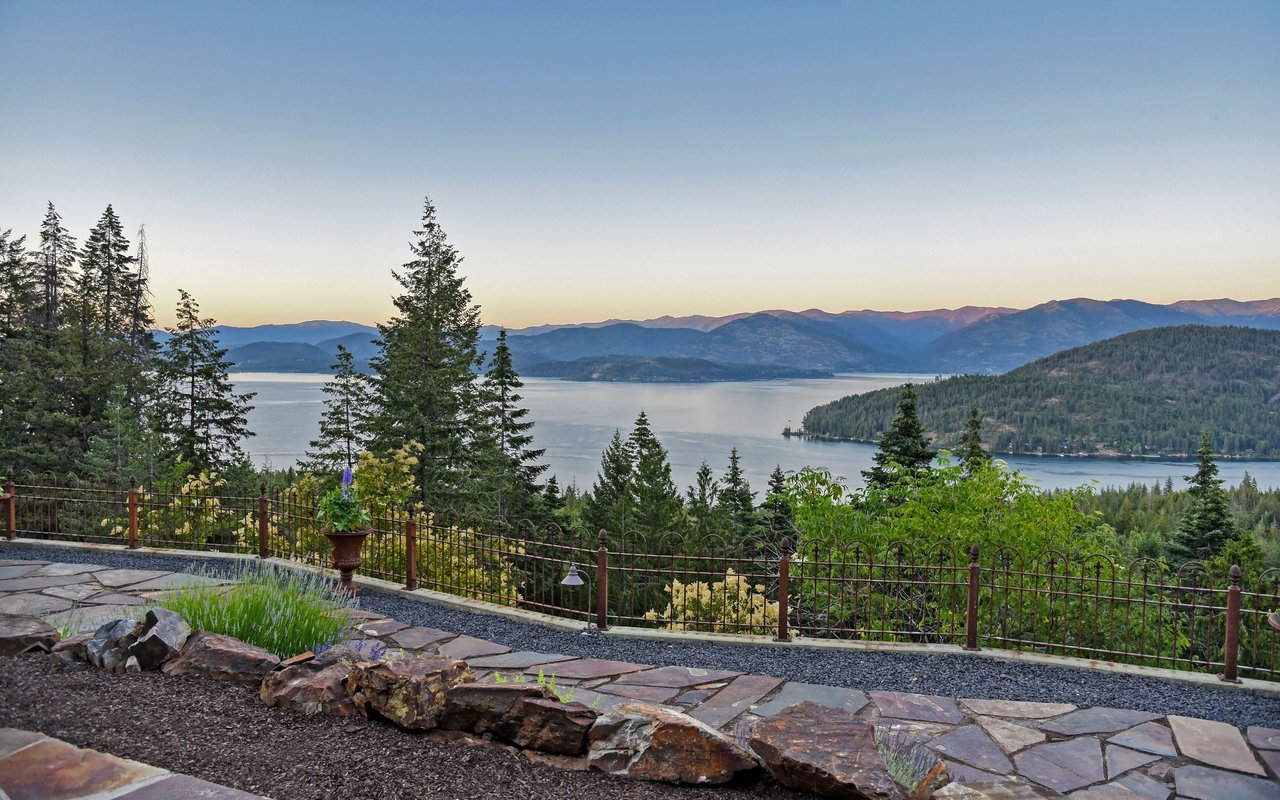
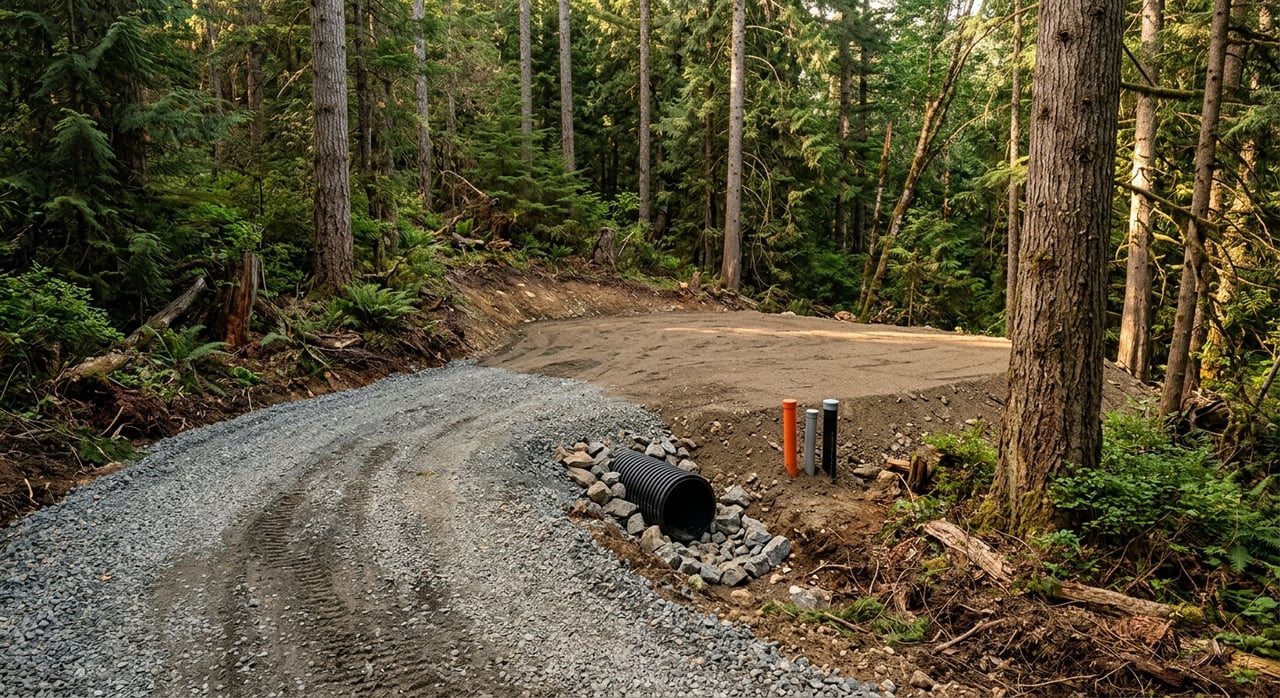
Buying land at Priest Lake can look simple on a map, but value is shaped by much more than a property line and a pretty view. If you are thinking about a cabin site, a future build, or a long-term investment, small details like road access, septic feasibility, slope, and setback limits can change what a lot is actually worth. The good news is that when you know what to measure, you can make a smarter decision with fewer surprises. Let’s dive in.
Why Priest Lake land stands apart
Priest Lake is not a typical land market in Bonner County. According to Bonner County’s assessor information for District 3, the area includes Priest Lake and more than 8,000 parcels across roughly 700 square miles. County planning materials also describe the Priest Lake basin as a 550-square-mile watershed with Upper and Lower Priest Lakes, high water quality, and a landscape shaped by federal, state, and private forest land.
That setting matters because supply is not unlimited, especially in the most sought-after locations. Upper Priest Lake’s shoreline is publicly owned by the State of Idaho or the U.S. Forest Service, which means truly private shoreline opportunities are limited there. In practical terms, scarcity can support stronger pricing for parcels with desirable access, views, or proximity to the lake.
Priest Lake also has a strong recreation identity that influences demand. Priest Lake State Park highlights boating, camping, hiking, biking, and winter recreation, and Bonner County maintains public boat launches at Slee Street and Coolin. For many buyers, land value here is tied not just to ownership, but to how easily you can enjoy the area.
Access can make or break value
One of the first things to study is how you actually get to the lot. A parcel with easy, legal, year-round access is usually easier to finance, easier to use, and easier to resell than one with uncertain road rights or shared private access. That is why access often creates major price differences between lots that otherwise seem similar.
Fannie Mae’s site guidance says a site should have adequate vehicular access and, if the property is on a privately maintained street, a legally enforceable maintenance agreement. Around Priest Lake, that point matters because some parcels rely on private roads rather than public ones. If road maintenance duties are unclear, your future costs and marketability may be less attractive.
Bonner County also advises buyers to verify legal lot status, setbacks, easements, and permits before building. That means you should not assume a road shown on a listing map tells the full story. A parcel may look accessible online but still require deeper review of recorded access and maintenance obligations.
Utilities and buildability drive real-world pricing
At Priest Lake, many land purchases are really feasibility purchases. You are not just buying dirt. You are buying the ability, or inability, to create the kind of use you want.
Unlike urban areas with broad municipal services, many Priest Lake parcels rely on private utility solutions. The Panhandle Health District septic permitting guidance explains that septic approval depends on sewage flow, house size and location, well or spring location, groundwater depth, grading, soil changes, neighboring structures, and intended land use. It also states that septic permits are not issued until those issues are addressed.
Well feasibility matters too. The Idaho Department of Water Resources well permit process referenced in local guidance makes clear that a drilling permit is required before drilling a well in Idaho. On top of that, Bonner County notes that a building-location permit applicant may also need approvals related to sewage disposal, wells, driveway or encroachment, electrical, plumbing, HVAC, and other agency requirements.
This is one reason two similarly sized lots can have very different values. If one parcel has a straightforward path to septic, power, and a practical building site, while another needs more engineering or has unresolved utility questions, the market may price them very differently.
Topography affects cost and usability
Slope is one of the most underestimated value drivers in the Priest Lake area. A steep lot can still be a good purchase, but only if the price reflects the added cost and design limits that often come with it. In land valuation, usable area matters more than raw acreage.
Bonner County’s planning FAQ warns buyers to look for wetlands, waterfronts and shorelines, steep hillsides, significant land disturbance, and flood hazard areas or floodways before buying or developing. In a recent Priest Lake variance file, county staff noted mapped slopes, wetlands, a FEMA Special Flood Hazard Area, and the need for retaining walls to create usable building area and reduce erosion. Those are not minor details. They directly affect what can be built, how much it may cost, and how attractive the parcel is to future buyers.
Fannie Mae guidance also supports this broader valuation logic. Site size, shape, topography, access, utilities, easements, and adverse conditions can all affect value and marketability. In other words, a lot that looks impressive in photos may still be less valuable if its building envelope is constrained by terrain.
Waterfront is not automatically the best deal
Many buyers assume waterfront always commands the highest premium, but value depends on usability, not just location. If shoreline setbacks, floodplain issues, or a narrow building area limit what you can do, the premium may not pencil out the way you expect.
Bonner County states that lakes and similar basins require a 40-foot shoreline setback, while certain flowing waters require a 75-foot setback, with limited exceptions. That means the portion of the lot where you can actually place improvements may be smaller than expected, especially on irregular or shallow parcels.
If you are comparing waterfront to secondary or nearby non-waterfront land, ask a simple question: what does the extra price buy you in practical terms? Better access, stronger views, easier recreation use, and scarcity can absolutely support higher value. But if the lot has major physical or regulatory constraints, paying more does not always mean getting more utility.
Views, orientation, and recreation access matter
Not every value factor shows up as a line item in county code. Some of the biggest pricing differences come from how a parcel feels and functions once you stand on it. That includes view corridors, sunlight, building orientation, and proximity to lake access.
Fannie Mae appraisal forms evaluate view and site characteristics that affect value, which lines up with what buyers experience on the ground. A lot with a more open lake view, better sun exposure, or a more efficient build site may support a premium over a nearby parcel with tree cover, awkward grade, or tighter setbacks.
Recreation adjacency can also strengthen demand. With Priest Lake State Park offering boating, trails, cabins, and winter access, and public launches available around the lake, parcels that make recreation easier often get stronger attention. Because Upper Priest Lake’s shoreline is publicly owned rather than broadly privately subdivided, nearby parcels with convenient access or compelling views may benefit from that limited-supply dynamic.
Zoning and parcel history matter more than buyers expect
Legal buildability is a core part of land value at Priest Lake. You are not just evaluating scenery. You are evaluating whether the parcel can support your intended use within current zoning, setback, and permitting rules.
Bonner County recommends using its parcel viewer to check zoning and land-use layers, and it also notes that CC&Rs do not override county minimum setbacks. That is an important distinction because some buyers assume private rules are the main limitation, when public land-use rules may be the bigger factor.
Parcel history is just as important. Bonner County states that Idaho is a buyer-beware state and that legality of a parcel cannot be confirmed without a Certificate of Compliance review. For investors and future builders, prior splits, nonconforming status, and legal lot history can have a direct impact on value, timeline, and risk.
A practical due diligence checklist
Before you close on Priest Lake land, it helps to work through a clear framework. Here are the major items to verify early:
- Confirm zoning, allowed uses, and setback limits through Bonner County’s parcel viewer and planning resources.
- Verify whether the access road is public or private.
- If the road is private, confirm there is a recorded maintenance agreement.
- Check septic feasibility early, since soils, groundwater, grading, and layout can affect approval.
- Confirm well planning requirements and whether additional approvals may be needed.
- Review wetlands, shoreline constraints, floodplain impacts, and slope conditions.
- If you plan to build a cabin or accessory structure, verify whether a building-location permit is required.
- If any portion of the site is within a special flood hazard area or floodway, confirm floodplain permit requirements.
- If your intended use includes a vacation rental, verify the permit path before closing.
This kind of diligence is where a valuation-first approach matters. A lot’s asking price only tells part of the story. The more important question is whether the site supports your plan at a cost and risk level that makes sense.
How to compare two Priest Lake lots
If you are choosing between multiple parcels, comparing them side by side can help you cut through the noise.
| Factor | Higher-Value Signal | Potential Red Flag |
|---|---|---|
| Access | Clear legal access, practical year-round use | Unclear easements or private road obligations |
| Utilities | Straightforward well and septic path | Unknown septic feasibility or utility complexity |
| Topography | Usable building envelope, manageable grade | Steep slopes, retaining wall needs, erosion concerns |
| Shoreline or water influence | Functional access or views with workable setbacks | Setback or floodplain limits that shrink usable area |
| Legal status | Clear zoning and legal lot history | Unresolved parcel legality or nonconforming issues |
| Recreation appeal | Easy access to lake use, launches, and trails | Location that sounds close but functions poorly |
In our experience, this is where buyers avoid overpaying. The best lot is not always the one with the flashiest marketing. It is often the one with the clearest path from purchase to use.
Buy with a valuation-first mindset
At Priest Lake, land value is shaped by a mix of scarcity, recreation demand, and hard feasibility facts. Access, road status, utilities, slope, wetlands, shoreline setbacks, and legal lot history all influence what a parcel is truly worth. When you understand those factors before you write an offer, you put yourself in a much stronger position.
If you want help evaluating Priest Lake land with a practical, data-driven lens, connect with Jimy Black. Humble & Black Real Estate Group brings an appraisal-driven perspective to North Idaho land, second-home, and investment decisions so you can move forward with more confidence.
FAQs
What affects Priest Lake land value the most?
- The biggest drivers typically include legal access, private road status, septic and well feasibility, topography, shoreline setbacks, floodplain or wetland constraints, views, and legal buildability.
Is waterfront land at Priest Lake always worth more?
- Not always. Waterfront can command a premium, but value depends on usable building area, setback limits, access, and the cost to make the site work for your intended use.
Can you build on any vacant lot at Priest Lake?
- No. Bonner County advises buyers to verify zoning, setbacks, parcel legality, easements, and permit requirements before assuming a lot is buildable.
Do Priest Lake land buyers need to check septic before closing?
- Yes. Panhandle Health District says septic approval depends on factors like sewage flow, house location, groundwater depth, grading, and soil conditions, so early feasibility review is important.
Are steep lots near Priest Lake a bad investment?
- Not necessarily. They can still work well, but they often come with higher development costs for grading, retaining walls, driveways, erosion control, and utility planning.
Why do similar-looking Priest Lake lots have different prices?
- Small differences in slope, views, setbacks, road access, utility feasibility, and legal lot status can materially change usable area and marketability.