Need room for a motorhome, trailer, toys, or a serious workshop? In Athol and Bayview, that wish list can narrow your options fast. These are smaller, low-inventory markets, so if shop space or RV storage is a must-have, you need to read listings differently and verify more before you close. This guide will help you focus on the details that matter most, compare buy-versus-build options, and avoid surprises. Let’s dive in.
Why shop-ready homes are harder to find
Athol and Bayview offer very different price points, but both are relatively thin markets when you need a property with specialized outbuildings. In Athol, the average home value is $788,667, with 62 homes for sale and 22 new listings. In Bayview, the average home value is $485,362, with 13 homes for sale and 6 new listings.
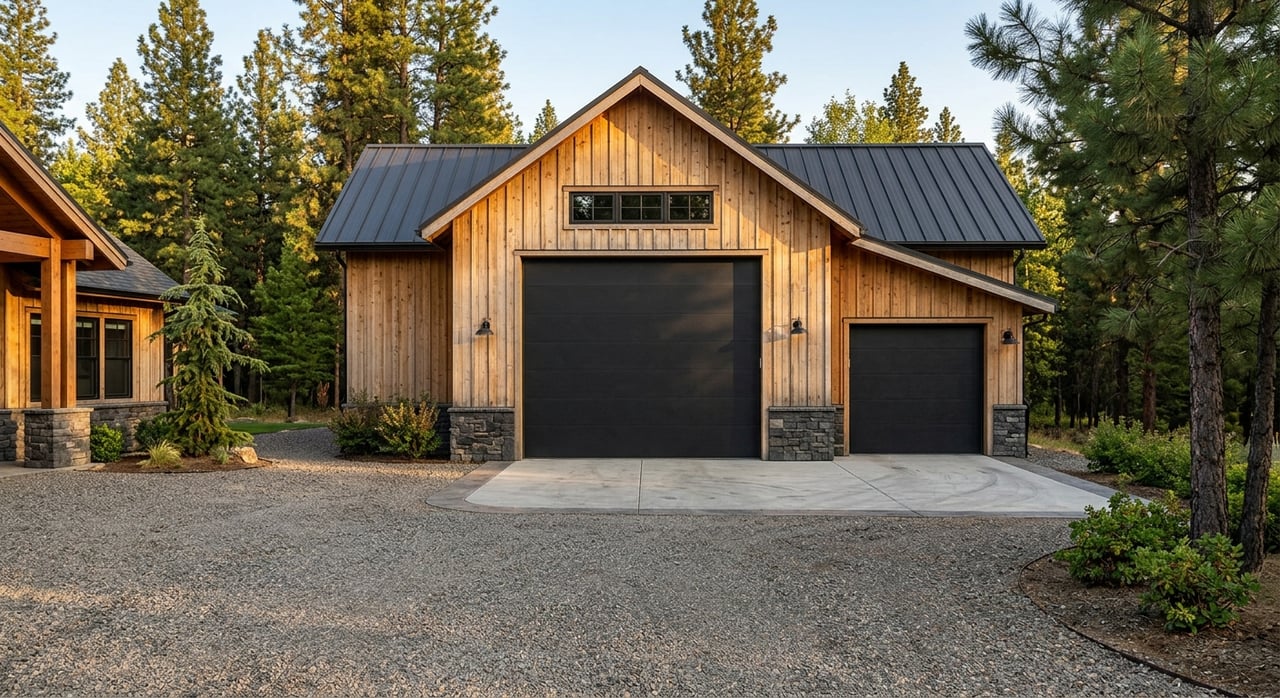
That matters because not every home with a garage can handle an RV, trailer, boat setup, or workshop use. Current local listings already highlight features like heated shops, pole barns, covered RV parking, and shop/RV garages. In other words, buyers are competing for a specific slice of the inventory, not just the market as a whole.
Read listings beyond garage count
If shop or RV space is your priority, the word “garage” is not enough. You need actual dimensions, door height, interior clearance, and enough room to turn in and out comfortably.
A typical RV garage is about 20 feet wide, 50 feet long, and 14 feet high, with 12- to 14-foot door height being common. That means a listing with a large garage may still fall short if your rig is tall, long, or needs extra side clearance.
Specs to ask for first
Before you get too attached to a property, ask for the basics:
- Building dimensions
- Door width and height
- Ceiling or truss clearance
- Power and utility setup
- Heated or insulated status
- Type of building, such as stick-built shop or pole barn
- Amount of paved or usable turning space outside
Recent listings in Athol and Bayview show why this matters. Athol examples have included a 54x40 heated shop with RV parking, a shop/RV garage with a 16-foot-wide by 14-foot-high door, and a 30x40 shop with covered RV parking. Bayview examples have included a 30x40 insulated pole barn shop with two 12x12 doors, a 24x30 shop, and a 46x38 shop with RV parking.
Think about use, not just fit
A building may technically fit your RV and still not work for your day-to-day needs. If you want room for a lift, workbench, tools, trailers, or multiple vehicles, layout matters just as much as raw square footage.
This is where a practical, valuation-first approach helps. A shop that looks impressive in photos may add less real-world value to you if the doors are too short, the power is limited, or the lot layout makes backing in a headache.
Verify permits and legal use early
In North Idaho, the best-looking outbuilding is only part of the story. You also want to know whether it was properly permitted and whether the parcel allows the use you have in mind.
Kootenai County’s land-use code applies in unincorporated parts of the county, while parcels inside city limits can follow different rules. That makes location-specific due diligence important, especially in communities like Athol and Bayview where properties can vary a lot by parcel and setting.
What Kootenai County permits
According to the county, permits are issued for:
- Garages
- Pole barns
- Fences over seven feet tall
- Commercial storage buildings over 120 square feet
- Residential storage buildings over 200 square feet
Applications are submitted online through iMS. The current building application fee is $141 and non-refundable, and the county fee schedule also shows a minor permit minimum fee of $295 plus a valuation-based permit formula.
Utility approvals can affect timing
As of April 1, 2026, Kootenai County requires final electrical and plumbing approvals before a final building inspection can be scheduled. If a shop or RV garage has utilities, that requirement matters.
This is one reason buyers should not assume an outbuilding is just a simple storage structure. If the building has power, plumbing, or other improvements, you want to confirm how it was built, how it was approved, and whether it reached final inspection.
Check zoning and setback limits
If you plan to add a shop later, expand an existing building, or use the structure for more than storage, zoning and setbacks can become major decision points. A great parcel on paper may not support the size or placement you want.
In the Agricultural zone, accessory buildings and personal storage buildings have 25-foot front-yard setbacks, 10-foot side-yard setbacks, and 15-foot rear-yard setbacks. Some parcels under two acres require a special notice permit for a personal storage building, and in that context those buildings are capped at 2,000 square feet.
Home-based business rules matter too
If you want the shop to support a home-based business, read the use rules carefully. In some zones, Kootenai County treats home occupations and cottage industries as accessory uses, but storage must stay inside the residence or an accessory building, and outdoor storage is prohibited.
That distinction is important. A parcel that works fine for personal RV storage may not work the same way for equipment-heavy business use if your plan depends on storing materials or vehicles outside.
Understand RV use on the parcel
Some buyers want more than covered storage. You may be thinking about using the RV on-site part time while building, hosting guests, or holding the property for future plans.
County code regulates temporary or intermittent RV use in applicable zones. The RV must be registered and serviceable, cannot have decks, additions, or skirting, cannot be used as a rental, and must be tied into approved sewage handling. There is also a construction-period exception that allows an owner to use the RV while a dwelling is being built on the parcel.
These rules are worth checking before you buy if RV use is part of your ownership plan, not just your storage plan.
Buy the shop now or build later?
This is often the biggest question. If the land, location, and house are right, adding a shop later can sound appealing. But the cost conversation usually goes well beyond the shell.
National cost guides help frame the issue. A detached garage often runs about $50 to $100 per square foot, with a typical 2-car detached garage costing roughly $20,000 to $57,600. An RV garage averages about $90,000 and can range from $36,000 to $140,000.
Pole barns can start lower, with estimates around $15 to $40 per square foot. A 30x40 pole barn may cost about $18,000 to $48,000, while a simple 2-car pole barn garage may run about $6,000 to $23,000. But once a pole barn is finished with utilities and interior build-out, total project costs can rise to roughly $120,000 to $360,000.
Don’t forget site costs
Rural properties often come with added project costs that buyers underestimate. Driveway work for a 2-car garage is estimated around $1,700 to $6,900. Site prep for pole barns can run from $3,000 to $30,000 or more, and permits are often estimated at $500 to $2,000.
That is why the bigger issue is usually not permit cost alone. The more important question is whether the parcel can legally and physically support the building you want, in the location you want, with the utilities you need.
A practical buying strategy for Athol and Bayview
If shop or RV space is mission-critical, properties with the right structure already in place usually reduce risk. You can verify dimensions, inspect the layout, and evaluate whether the building actually supports your use before you buy.
If the parcel is otherwise ideal, building later can still make sense. You just want to underwrite the decision with real numbers, setback limits, utility needs, and permit requirements rather than broad assumptions.
For buyers in Athol and Bayview, that often means narrowing your search with sharper filters from day one. Instead of asking for a home with a shop, ask for the minimum door height, square footage, power setup, parking layout, and use flexibility you actually need.
What to confirm before making an offer
A focused checklist can save you time and help you avoid chasing the wrong properties.
- Confirm the shop or garage dimensions
- Verify door width and door height
- Ask whether the structure was permitted and finalized
- Check whether utilities were installed and approved
- Review zoning for your intended use
- Check setbacks if you may expand or add another building
- Confirm whether the lot layout allows easy RV access and turning
- Ask whether RV use on the parcel matters to your long-term plan
- Compare the cost of buying existing improvements versus building later
In a market like Athol or Bayview, those details are not small extras. They are often the difference between a property that works on day one and one that turns into a costly project.
If you want help sorting through the numbers, permits, and real-world fit of a property, Jimy Black can help you evaluate North Idaho options with a practical, data-driven lens.
FAQs
What should you look for in an Athol or Bayview listing if you need RV space?
- Look for building dimensions, door height, ceiling clearance, utility setup, insulation or heat, and enough outside turning space, not just a garage count.
How big should a shop or RV garage be for a motorhome or trailer?
- A typical RV garage is about 20 feet wide, 50 feet long, and 14 feet high, with 12- to 14-foot door height being common.
Do shop buildings in Kootenai County need permits?
- Yes. Kootenai County issues permits for garages, pole barns, commercial storage buildings over 120 square feet, and residential storage buildings over 200 square feet.
Can you use a shop in Kootenai County for a home-based business?
- In some zones, home occupations and cottage industries are allowed as accessory uses, but storage must stay inside the residence or an accessory building and outdoor storage is prohibited.
What setback rules can affect a future shop in Kootenai County?
- In the Agricultural zone, accessory and personal storage buildings have 25-foot front-yard setbacks, 10-foot side-yard setbacks, and 15-foot rear-yard setbacks.
Is it usually better to buy a home with a shop already built in Athol or Bayview?
- If the shop or RV garage is essential, buying a property with the right structure already in place often reduces risk because you can verify the building, layout, and utility setup before closing.