If you are shopping for acreage near Athol or Bayview, the biggest mistake is assuming more land automatically means more value. In this part of North Idaho, what really matters is whether the parcel works for the way you want to use it, now and later. With the right due diligence, you can avoid expensive surprises and buy with more confidence. Let’s dive in.
Why acreage value works differently here
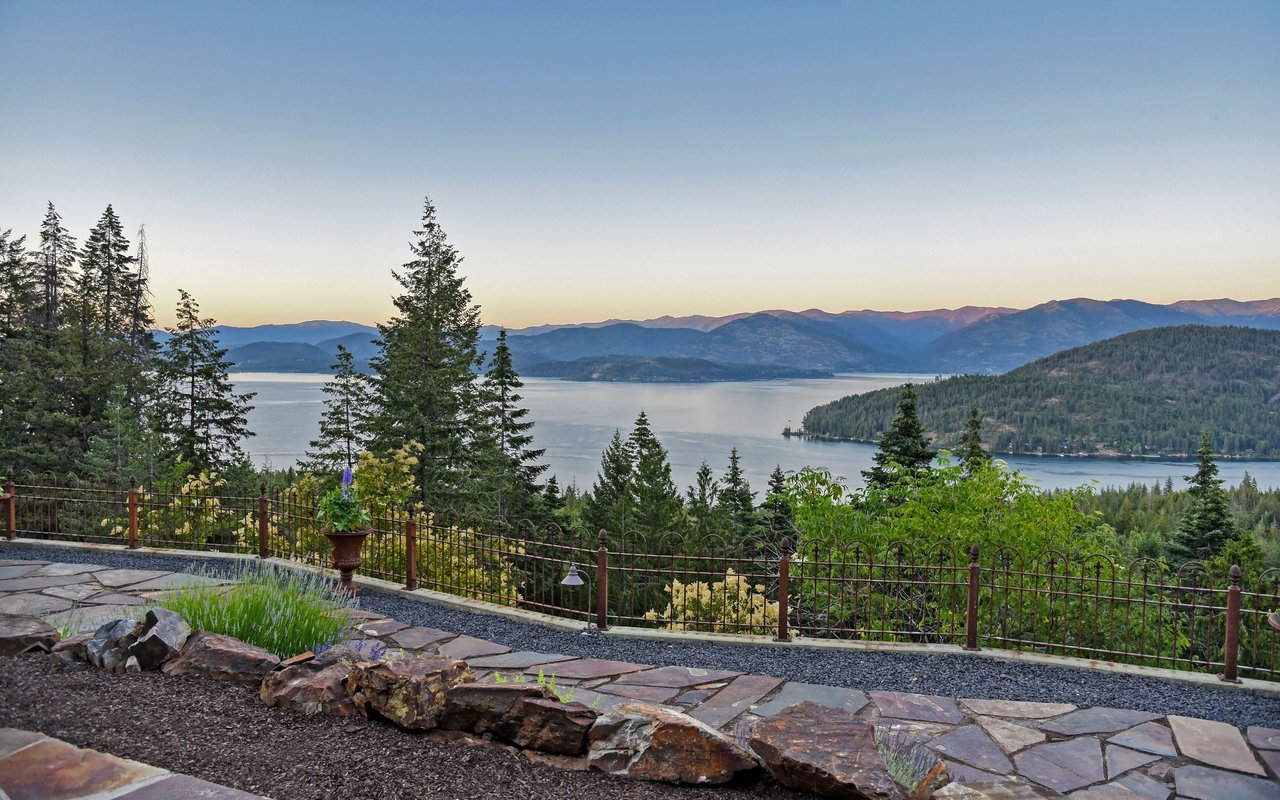
Athol and Bayview sit in a part of Kootenai County where recreation, rural living, and access all shape how land is used. Bayview is known as a boating and recreation-oriented community on Lake Pend Oreille, and Athol is home to Farragut State Park at the south end of the lake, which adds to the area’s outdoor appeal.
That setting affects value in practical ways. Buyers are not just comparing acre counts. They are looking at year-round access, terrain, usable building area, and whether the property supports a rural lifestyle without creating avoidable headaches.
Kootenai County also notes that residential development is moving closer to agricultural, timber, and mixed ag-timber operations. For you, that means it is smart to evaluate how a parcel fits with nearby land uses, not just what the listing photos show.
Start with usability, not size
A parcel can look impressive on paper and still be hard to use. In Kootenai County’s Rural zone, the minimum lot size is generally five acres unless the property is in a conservation subdivision. That makes the layout and function of the land especially important.
A smaller parcel with a clean homesite, workable slope, and space for a shop, barn, or pasture may be more useful than a larger piece of land with steep topography or limited access. This is where a valuation-first mindset matters. You want to compare functional acreage, not just gross acreage.
Setbacks also affect what you can actually build. In the Rural zone, setbacks are 25 feet in the front, 10 feet on the sides, and 15 feet in the rear. That means your real build area may be smaller than it first appears.
What to look for on site
When you walk acreage near Athol or Bayview, pay attention to these practical details:
- Slope and grade of the likely homesite
- Space for driveways, parking, and turnarounds
- Room for future outbuildings
- Drainage patterns and low-lying areas
- Existing clearing versus heavy timber
- How much of the parcel is actually easy to use
Access can make or break a deal
Access is not just a convenience issue on rural land. In Kootenai County, legal access is required for parcels that are eligible for permits, and residential access by driveway, common driveway, or private road must meet county standards and emergency-access rules.
That is why a parcel that looks simple on a map can still become complicated in a real transaction. If access is unclear, poorly documented, or physically difficult, your timeline, financing, and future building plans can all be affected.
County addressing standards also tie access points to emergency-service review. In a practical sense, you should think beyond “Can I get there?” and ask, “Can this property be safely and legally accessed the way the county requires?”
Access questions to answer early
Before you write an offer, confirm:
- Whether the parcel has recorded legal access
- Whether the current driveway or road setup meets county expectations
- Whether emergency access could be an issue
- Whether winter conditions could change usability
- Whether shared or private road arrangements are documented
Septic and well feasibility usually come first
For many rural properties, septic and water are the first true feasibility tests. If the parcel depends on private utilities, these items should move to the top of your due diligence list.
Idaho DEQ says septic systems require permits and recommends a site evaluation by the public health district and a licensed septic installer before purchase. In North Idaho, Panhandle Health District reviews new subdivisions and issues septic permits in the region, making it a key source for acreage buyers.
Panhandle Health’s mortgage survey process can be especially helpful. It can pull septic records, document pumping history, and sample private well water. If you are buying an existing rural home or improved parcel, that information can give you a much clearer picture of the property’s current condition.
On the water side, the Idaho Department of Water Resources says a drilling permit is required before drilling a well, and wells must be built by a licensed driller. Domestic wells do not need extra IDWR approvals before the drilling permit is approved, but other well types can require approved water rights first.
Why water rights matter on acreage
Water rights are easy to overlook, but they are a real property issue in Idaho. IDWR says water rights are real property rights, so you should verify whether a right transfers with the land, was reserved in the deed, or needs an ownership or address update.
If a property is being marketed with irrigation potential or another water-related use, this step matters even more. Assumptions can be costly on acreage.
Future flexibility needs verification
A lot of buyers picture acreage as blank-slate freedom. In reality, future improvements still have to fit county rules, permit thresholds, setbacks, and utility capacity.
Kootenai County requires building permits for many common rural improvements, including pole barns, decks, garages, storage buildings above certain size thresholds, and fences over seven feet. If you are buying land because you want a shop, barn, or expanded setup later, it is wise to check that path before you commit.
Septic capacity can also affect future plans. A parcel might support a current home but not automatically support a second dwelling or major expansion. Extra acres do not always mean extra flexibility.
Ask these “future use” questions
- Can the homesite support the structures you want?
- Do setbacks limit where those structures can go?
- Does the septic setup support future expansion?
- Are there permit requirements for the improvements you have in mind?
- Is the parcel configuration practical for long-term use?
Review records before you write an offer
Strong acreage buying starts with records, not assumptions. Kootenai County Assessor and Recorder resources provide parcel maps, GIS maps, and recorded documents such as plats, surveys, and corner perpetuating and filing documents.
These are some of the first records to review when you want to confirm legal description, parcel boundaries, and whether the property is a lot of record with recorded access. If the paperwork does not line up with the marketing, you want to know that before you are deep into a transaction.
Panhandle Health District’s septic records and mortgage survey tools can help verify septic history and well sampling. IDWR’s well map and well-construction resources can help you review historical well information and better understand the property’s water setup.
Core records to check
- Assessor parcel map
- GIS parcel information
- Recorded plat or survey
- Easements and access documents
- Septic permit records
- Well history and construction records
- Deed language related to water rights
Flood, fire, and site conditions matter here
Because this area includes lake-oriented and forested land, natural-hazard review should be part of your process. Kootenai County says buyers in or near a Special Flood Hazard Area should review flood-hazard materials and maps early, especially for Bayview and lake-adjacent parcels.
The county also notes that its CRS Class 7 rating can reduce flood-insurance premiums in unincorporated county areas by up to 15%. That does not remove the need to review the maps, but it does show why exact parcel location matters.
Wildfire preparedness is also part of ownership in this corridor. Idaho Department of Lands places Athol in the Mica Forest Protective District and Bayview in the Pend Oreille Forest Protective District, so seasonal alerts and restrictions can affect how you manage the property.
If you expect to clear brush or burn debris, verify the current fire restrictions before closing. Seasonal rules can affect private land outside cities, and they matter more than many first-time acreage buyers expect.
Build a practical due diligence plan
Acreage purchases tend to go better when you treat them like a feasibility project, not just a home search. That does not mean every parcel is risky. It means the best outcomes usually come from asking the right questions in the right order.
A simple framework can help:
- Confirm parcel identity and legal access.
- Review zoning, setbacks, and permit eligibility.
- Verify septic and well history.
- Check flood, fire, and other overlay concerns.
- Test whether the land fits your intended use now and later.
This is where a data-driven approach can save you time and money. On rural land near Athol and Bayview, the right deal is often the one with the clearest path to usable, predictable ownership.
If you want help evaluating acreage in this part of North Idaho, Jimy Black brings a valuation-first perspective shaped by appraisal, construction, and land experience. That kind of practical analysis can help you move forward with fewer surprises.
FAQs
What should you verify before buying acreage near Athol or Bayview?
- Start with legal access, parcel records, zoning, setbacks, septic feasibility, well history, and any flood or fire-related concerns tied to the specific property.
How important is legal access for acreage in Kootenai County?
- It is essential because Kootenai County ties permit eligibility to lawful parcel creation and legal access, and driveway or private-road access must also meet county and emergency-service standards.
Why do septic records matter when buying rural property near Bayview?
- Septic records can show what system was permitted, whether records exist, and whether the parcel may be ready for a home, expansion, or other future use.
What should you know about wells and water rights on acreage in North Idaho?
- Idaho requires a drilling permit before drilling a well, wells must be constructed by a licensed driller, and any water rights tied to the property should be verified to confirm whether they transfer with the land.
Can you assume you can build a shop or barn on acreage near Athol?
- No. You should verify zoning, setbacks, permit requirements, and utility capacity before assuming the parcel supports future outbuildings or expanded use.
Should flood and wildfire review be part of acreage due diligence in this area?
- Yes. Flood-hazard review is especially important for Bayview and lake-adjacent parcels, and wildfire alerts or seasonal restrictions can affect how land in both Athol and Bayview is managed.